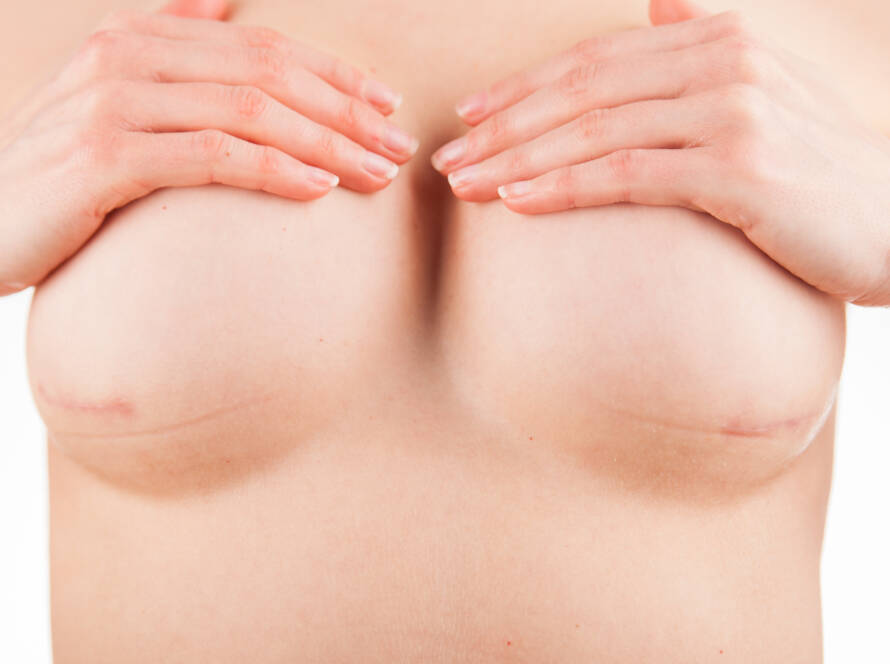
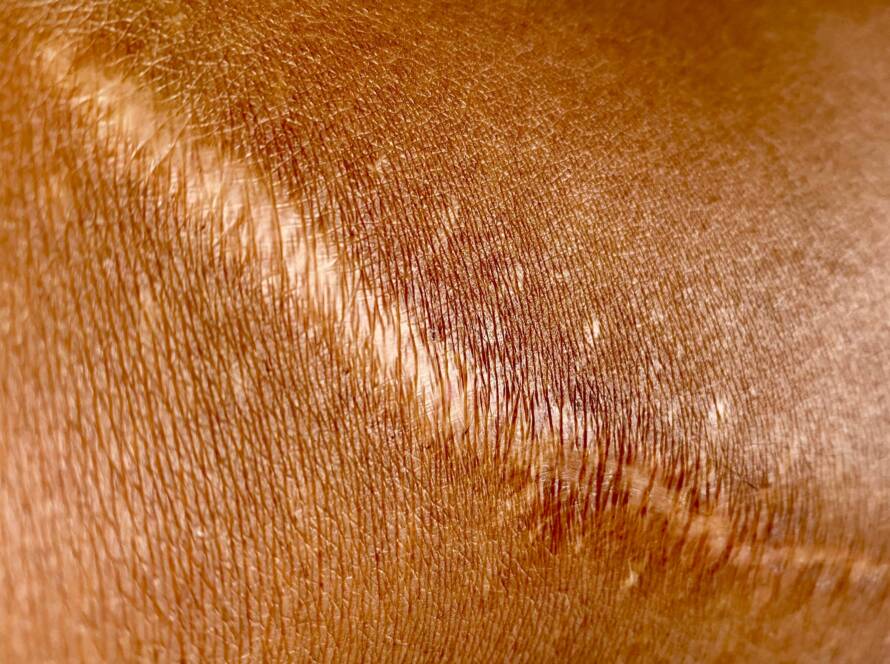
Scars, stretch marks, and skin discoloration can impact more than just physical appearance. For many individuals, they are a daily reminder of trauma, surgery, or chronic conditions. While treatments like laser therapy and topical creams can help, they often fall short when it comes to restoring natural skin tone and visual harmony. That is where paramedical tattooing becomes a valuable option.
Paramedical tattooing, particularly scar camouflage, is a specialized approach to improving the visual texture and tone of the skin through pigment implantation. It is not cosmetic tattooing or decorative art. It is a medically informed process that serves both psychological and functional purposes for the client.
Defining Paramedical Tattooing
Paramedical tattooing, also known as medical micropigmentation, involves the precise implantation of pigment into the dermis to camouflage or replicate natural skin features. Unlike decorative tattoos or standard permanent makeup, it is a corrective procedure that aims to normalize the appearance of skin after trauma or surgery.
The most common applications include:
- Scar camouflage
- Areola restoration after mastectomy
- Stretch mark blending
- Vitiligo blending
- Skin tone correction after burns
The pigments used are typically hypoallergenic and matched carefully to each individual’s natural skin tone. The tools and techniques vary depending on the condition being treated, but the objective remains the same: visual normalization of the treated area.
Scar Camouflage as a Subset of Paramedical Tattooing
Scar camouflage is one of the most requested forms of paramedical tattooing. It involves color-matching pigment to the surrounding skin and gently implanting it into scar tissue to blend and soften the appearance.
Suitable scar types include:
- Surgical scars (such as C-sections, tummy tucks)
- Self-harm scars
- Stretch marks
- Acne scarring
- Injury-related scarring
However, not every scar is suitable. Ideal candidates have:
- Fully healed and matured scars (minimum 12 months old)
- Flat, smooth texture
- No redness, hyperpigmentation, or active inflammation
- Scars that are raised, keloid-prone, or unstable in pigmentation are typically excluded due to unpredictable pigment behavior.
The Treatment Process: Step by Step
Consultation
The practitioner evaluates the scar’s condition, your skin type, medical history, and goals. A custom plan is created, and realistic expectations are discussed.
Patch Testing and Pigment Matching
A small area may be tested for pigment compatibility. Skin tone is analyzed under natural light to determine the most accurate pigment match.
Procedure Preparation
The area is cleansed and may be numbed with a topical anesthetic. Equipment and pigment trays are sterilized before beginning.
Pigment Implantation
Using a specialized digital device, pigment is layered into the dermis. The practitioner works with natural undertones and shading techniques to blend the area seamlessly.
Post-Procedure Instructions
Clients are given a healing guide including restrictions on sun exposure, moisture, and skincare product use.
Follow-Up and Touch-Up
Most clients require a second session to refine coverage and adjust pigment as the skin settles.
Tools, Pigments, and Techniques Used
Paramedical artists use rotary tattoo machines, which offer precision and reduce trauma to scarred or sensitive skin. Pigments are medical-grade and designed to resist oxidation and fading. Techniques include:
- Layered pigmentation
- Skin tone balancing
- Neutralization of discoloration (such as purple or red tones)
- 3D blending to match skin textures
Unlike regular tattoo inks, paramedical pigments must interact with scar tissue, which often absorbs and reflects color differently. An experienced artist understands how to compensate for this with depth control and pigment layering.
Who Is an Ideal Candidate for Scar Camouflage?
Good candidates will have:
- Healed, flat scars that are at least one year old
- No recent laser treatment in the area
- A stable skin tone (not actively tanning or using acids or retinoids)
- No ongoing autoimmune skin conditions in the treated area
Contraindications include:
- Active eczema, psoriasis, or acne
- Pregnancy or breastfeeding
- Recent surgery or radiation in the treatment area
- Keloid scarring tendencies
How Long Do Results Last?
Results typically last 2 to 5 years, depending on skin type, sun exposure, and immune system response. Pigment fades gradually and may require maintenance over time. Proper aftercare and sun protection can significantly extend the longevity of results.
Risks and Considerations
While paramedical tattooing is considered low-risk when performed by a qualified practitioner, potential issues include:
- Uneven healing
- Color shifting or pigment oxidation
- Temporary inflammation or sensitivity
- Hyperpigmentation or hypopigmentation in melanin-rich skin
- A patch test is essential for all new clients to reduce the risk of allergic reaction and to assess how their skin holds pigment.
Paramedical Tattooing vs. Other Scar Solutions
Compared to laser treatments or surgical scar revision, paramedical tattooing is non-invasive and has fewer side effects. It is also often more cost-effective and suitable for people with darker skin tones who may not respond well to lasers. While not a medical cure, it offers significant aesthetic improvement.
Why Experience Matters
Pigment implantation into scar tissue requires technical knowledge and artistic skill. A qualified paramedical tattoo artist understands:
- Skin anatomy and scar tissue behavior
- Undertone correction and pigment matching
- Depth and pressure control for sensitive or fibrous skin
- Clients should look for artists who can provide healed examples of work, not just fresh photos, and who are trained in medical tattooing protocols, not just cosmetic artistry.
Paramedical Tattooing at Visage New York
At Visage New York, paramedical tattooing is offered by licensed specialists with training in trauma-sensitive care and medical tattooing techniques. Each client receives a custom consultation, a pigment match based on undertone analysis, and a fully personalized treatment plan.
Our facility maintains medical-grade sterilization, and we use only top-tier pigment lines designed for longevity and stability. Clients trust Visage for both the professionalism and the natural results we deliver.
Common Questions About Scar Camouflage
Does it hurt?
Most clients report minimal discomfort. A topical anesthetic is used when needed.
Can it cover red or dark scars?
Yes, but these may require neutralization first using color-corrective layers.
Can you tattoo over stretch marks?
Yes, if they are flat, light in color, and fully healed.
Is there any downtime?
Healing takes about 7 to 10 days. Clients may experience mild flaking or redness.
Book a Consultation
If you have a scar, stretch mark, or skin imperfection that affects your confidence, paramedical tattooing could be a lasting solution. Schedule a private consultation at Visage New York to find out if you are a candidate.