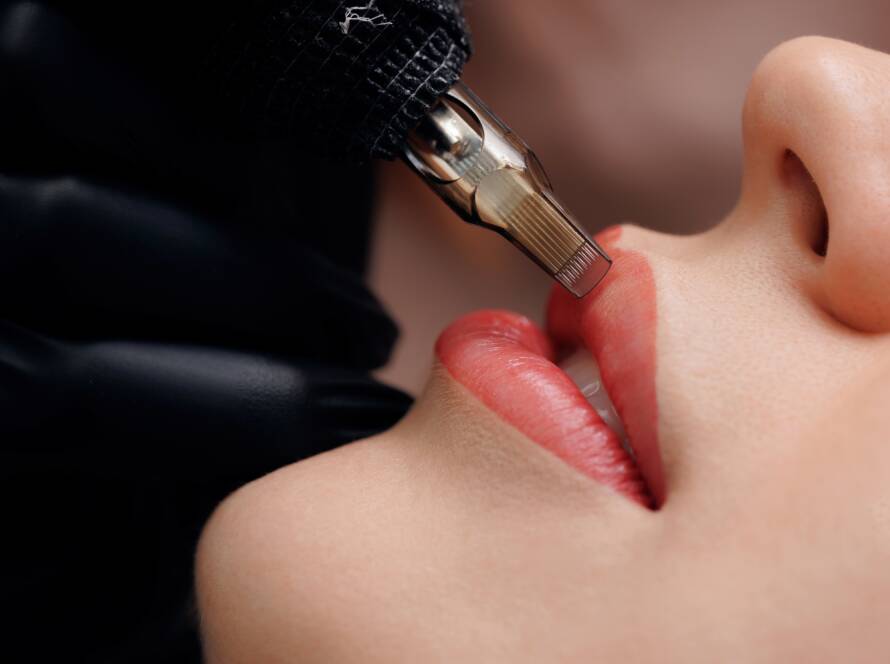
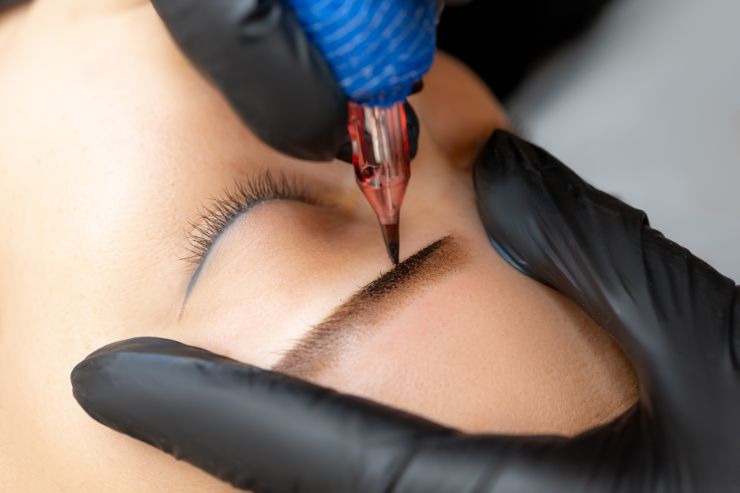
A beautiful brow result is rarely about making brows darker or more dramatic. It is about restoring the balance that makes your face look rested, polished, and unmistakably like you. Finding the best microblading artist in NYC means looking beyond a single before-and after photo and choosing a professional with the eye, tec
New York offers no shortage of brow studios. The difference lies in the details: how an artist studies your natural growth pattern, whether they know when to recommend a different technique, how carefully they protect your skin, and how honestly they guide you through healing and maintenance. For a treatment that sits on your face every day, a thoughtful selection process is part of the luxury.
What the Best Microblading Artist in NYC Gets Right
Microblading is a form of cosmetic tattooing that creates fine, hairlike strokes with a handheld tool. When it is performed with restraint and precision, it can fill sparse areas, improve symmetry, and give the brow a fuller, softly defined appearance. It should not look like a block of color or a trend that overwhelms your face.
The strongest artists begin with facial structure, not a pre-drawn brow template. They consider your bone structure, eye placement, skin tone, natural brow density, and the way your brows move when you speak. They also listen. A client who wants a barely-there enhancement needs a different design from someone rebuilding brows after years of over-tweezing, hormonal change, or hair loss.
This level of personalization matters because brows frame expression. A tail placed too low can make the eyes appear tired. An arch placed too high can create a permanently surprised look. Even a small change in pigment warmth can affect whether the healed result looks soft and natural or noticeably artificial. Expert artistry is measured in those quiet decisions.
Natural results require a long view
Freshly completed microblading does not represent the final result. During healing, the color may initially appear deeper, then soften as the skin recovers. Some strokes can look lighter before they settle. A skilled artist designs with this process in mind, choosing pigment and stroke placement for the healed brow rather than chasing an overly dark, immediate reveal.
They should also be clear that cosmetic tattooing is not entirely permanent in the traditional sense. Brow color gradually fades and can shift subtly over time depending on skin type, sun exposure, skincare, immune response, and lifestyle. A well-planned touch-up schedule helps preserve definition without allowing the brows to become heavy through repeated oversaturation.
Microblading Is Not Always the Right Brow Technique
A true specialist does not insist that microblading is the answer for every client. It can be exceptionally flattering on normal to dry skin with healthy, stable texture, particularly when a client has existing brow hair and wants realistic hair-stroke detail. But it may not be the most predictable option for everyone.
Oily skin, highly textured skin, large pores, active acne near the brow area, and certain mature skin types can cause fine strokes to blur, soften quickly, or heal less crisply. In those cases, nano brows, created with a machine and an ultra-fine needle, may offer greater control. Ombré or powder brows can also create a graceful, diffused makeup effect with reliable longevity, especially for clients who enjoy a more defined appearance.
There is no universally superior technique. The right choice depends on your skin, current brow condition, desired finish, and commitment to maintenance. Be wary of an artist who promises microblading will work perfectly for every face and every skin type before they have evaluated you in person.
How to Evaluate a Microblading Portfolio
A polished social media grid is a starting point, not the final test. Look closely at whether an artist’s work remains individualized from client to client. Brows should not have identical arches, tails, or thicknesses. A refined portfolio shows range while maintaining a recognizable standard of softness, balance, and clean technical execution.
Pay particular attention to healed results. Immediately after a procedure, the skin can make pigment appear richer and sharper than it will later. Healed images reveal whether strokes retain their clarity, whether color has settled naturally, and whether the artist understands how different skin types respond.
Before-and-after images should also be evaluated with a discerning eye. Look for consistent lighting, natural facial expressions, and images taken straight on as well as from slight angles. You want to see that the brows remain balanced in real life, not only in one carefully posed photograph. If you wear little makeup, prioritize artists whose work still looks believable on bare skin.
Credentials, Sanitation, and Consultation Matter
Permanent makeup should feel elevated, but it is still a procedure involving the skin. The studio environment, artist training, licensing, and sanitation protocols deserve as much attention as the aesthetic result.
During your research, confirm that the artist is appropriately licensed and certified for cosmetic tattooing in New York, uses single-use sterile needles and disposable supplies, and works in a clean, professional setting. Pigments should be selected thoughtfully, and the artist should explain their process rather than treating your questions as an inconvenience. A private, carefully maintained studio also gives you the space to make design decisions without pressure.
The consultation is where expertise becomes visible. A quality consultation includes a discussion of your health history, medications, past cosmetic tattooing, skin sensitivities, and realistic expectations. Certain medications, skin treatments, pregnancy, nursing, recent injectables, or medical conditions may require postponement or physician guidance. An ethical artist will protect your safety even when that means advising you to wait.
Your artist should map the brows before beginning and invite you into the decision-making process. Symmetry is the goal, but perfect mathematical sameness is not realistic because human faces are naturally asymmetrical. The aim is a harmonious correction that respects your unique features, not a rigid stencil.
Questions Worth Asking Before You Book
You do not need to arrive as a brow expert. You do deserve clear answers. Ask what technique is recommended for your skin type, what the artist expects the healed result to look like, and whether a perfecting session is included or separately scheduled. Ask to see healed work similar to your complexion, age range, and brow starting point.
It is also wise to ask about pigment selection, aftercare, touch-up timing, and the studio’s approach to previous work. Correcting old microblading can be more complex than starting with a clean canvas. If your existing brows are faded, discolored, overly saturated, or poorly shaped, removal or lightening may be needed before a new design can be created safely and beautifully.
Price should be considered in context. A lower initial quote may not include a necessary follow-up visit, detailed aftercare, premium pigments, or the time required for customized mapping. Conversely, a premium price should reflect demonstrated experience, thoughtful service, clinical cleanliness, and a portfolio that supports the investment. This is not a treatment to choose based on a flash sale.
Prepare for Healing, Not Just Your Appointment
The appointment itself is only one part of the experience. Your results depend on following aftercare carefully during the healing period. Your artist should provide specific instructions, but clients are commonly asked to avoid picking or scratching, excess moisture, intense exercise, swimming, saunas, sun exposure, and active skincare ingredients around the brow area while the skin heals.
Plan your calendar accordingly. If you have a beach weekend, a major photo event, or a skin treatment scheduled immediately afterward, it may be better to book for another time. A little planning allows your brows to heal quietly and beautifully, without unnecessary disruption.
Trust is the final ingredient. The right artist will never rush your questions, pressure you toward a bolder look, or promise an unrealistic result. At a boutique studio such as Visage New York, the goal is not simply fuller brows. It is a considered enhancement that makes getting ready feel easier and looking in the mirror feel more like coming home to yourself.