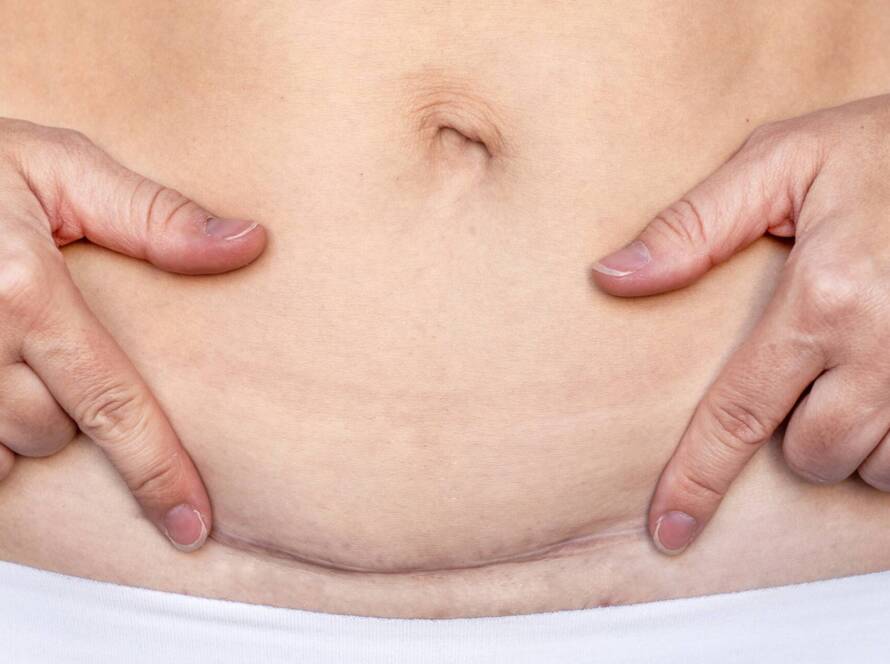
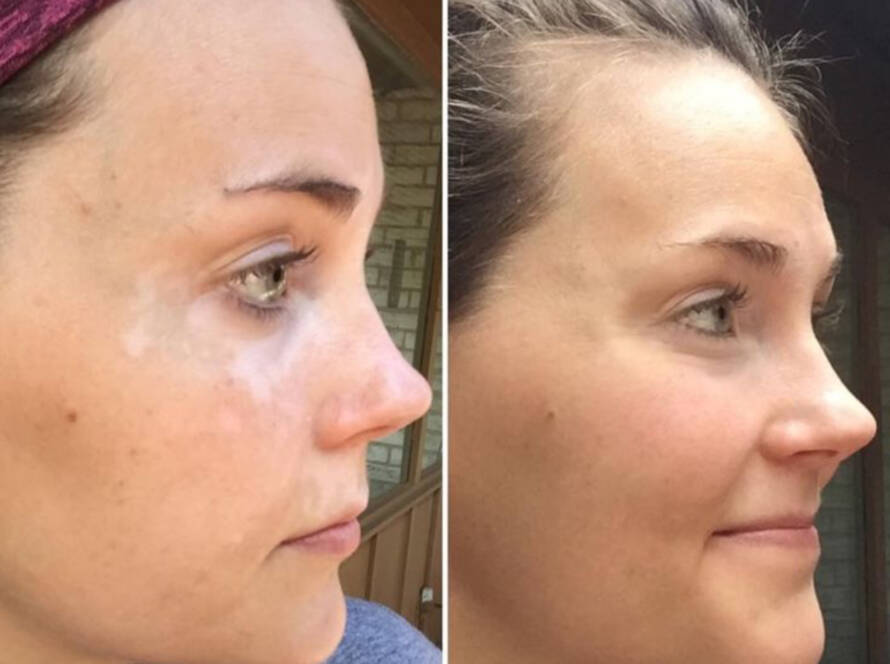
A scar can be a quiet detail or the first thing you see in the mirror. The best scar camouflage does not simply place pigment over that detail. It begins with an honest assessment of the scar’s texture, maturity, location, and the way your skin holds color, then creates a refined result designed to look like skin rather than makeup.
For some clients, a high-coverage concealer is exactly right. For others, paramedical tattooing offers a longer-lasting way to soften the contrast between a healed scar and the surrounding skin. The right choice depends on what the scar needs, not on a one-size-fits-all promise.
What Makes the Best Scar Camouflage?
Effective scar camouflage is an art of reduction, not erasure. The goal is to make a pale, dark, pink, or unevenly toned scar less noticeable by carefully blending it with nearby skin. When the color contrast is reduced, the eye is less likely to land on the scar first.
Texture matters just as much as color. Camouflage tattooing can improve the appearance of discoloration, but it cannot flatten raised tissue, fill a deep indentation, or remove a scar completely. A skilled artist will be direct about this distinction. Natural-looking results come from working with the skin as it is, rather than promising an outcome the treatment cannot deliver.
The best work is also customized. Skin has undertones, movement, and subtle shifts in color across the body. A pigment that looks correct in a cap may appear too warm, too cool, too light, or too opaque once healed. Precision color matching, conservative layering, and proper healing time are what make a scar revision look believable from a conversational distance.
Your Options for Scar Coverage
Scar camouflage is not a single treatment. It is a category that includes daily cosmetic coverage, medical or dermatologic care, and paramedical tattooing. Each option has a role.
Makeup and body concealer
High-pigment concealers can be an excellent choice for a special event, photos, beachwear, or any time you want flexible coverage. Many formulas are transfer-resistant and can be layered to soften redness, darkness, or a lighter patch of skin.
The trade-off is maintenance. Makeup needs to be applied again each day, and it may wear differently with sweat, friction, clothing, or swimming. It also sits on top of texture. If a scar is raised or indented, coverage can reduce color contrast but may not fully disguise its surface.
Scar care and dermatologic treatment
If a scar is new, changing, uncomfortable, raised, or very red, medical guidance should come first. Depending on the concern, a physician may recommend scar-management approaches that address tissue quality, redness, or thickness before cosmetic camouflage is considered.
This step is particularly valuable for hypertrophic scars and keloids, which should not be treated as routine cosmetic tattoo candidates. Active skin conditions, infections, and poorly healed surgical sites also require evaluation and clearance before any pigment service.
Paramedical scar camouflage tattooing
Paramedical tattooing, often called skin camouflage tattooing, places custom-blended pigment into the skin to reduce visible contrast. It can be an elegant option for stable, fully healed scars from surgery, injury, burns, or other past skin trauma, as well as select areas of hypopigmentation.
Unlike makeup, it does not wash away at the end of the day. But it is not maintenance-free or identical to the surrounding skin in every circumstance. Pigment evolves as it heals, skin tone can change with sun exposure, and some clients need multiple sessions to build a soft, even-looking blend. The treatment is best viewed as a long-term refinement, not a quick cover-up.
When Is a Scar Ready for Camouflage?
Patience protects the quality of your result. A scar must be fully healed, stable, and mature before camouflage tattooing is considered. While timing varies by person and procedure, many scars need at least 12 months to settle. Surgical scars may need longer depending on the area, healing history, and medical guidance.
A mature scar is generally no longer actively red, inflamed, open, tender, or changing in shape. It should have completed its major healing phase. Treating too early can interfere with recovery and produce an unpredictable color result as the scar continues to change.
During a thoughtful consultation, the artist should look closely at the scar’s color, texture, age, and surrounding skin. They should also ask about medical history, medications, prior procedures, sun exposure, and how the scar healed. This is not unnecessary formality. It is how a treatment plan becomes safe, precise, and truly personal.
How Artists Create Natural-Looking Results
The finest scar camouflage is rarely built with one exact pigment match and one pass. Skin color is multidimensional. A specialist may custom blend several tones, begin conservatively, and reassess after healing before making any refinements.
Technique matters. Scar tissue can be more delicate, denser, or less predictable than unscarred skin. It may retain pigment differently from one area to another. An experienced paramedical artist adjusts pressure, placement, and saturation to respect the tissue rather than overworking it.
The surrounding area also guides the design. A scar on the chest, abdomen, thigh, or face may need a different approach because each location has its own skin thickness, movement, and sun exposure. A flawless-looking result is often one that avoids an overly opaque, flat patch of color. Subtle blending usually reads more naturally than trying to force a perfect visual match.
Questions to Ask Before Booking
Choosing a provider is as important as choosing the treatment. Look beyond a single before-and-after image. Ask to see healed results on scars similar to yours and on skin tones that resemble your own. Fresh results can look dramatically different from healed pigment, so healed work is the more meaningful measure of an artist’s skill.
You should also ask how the studio approaches sanitation, whether the artist is trained in paramedical procedures, and how they determine candidacy. A qualified specialist will welcome these questions and may decline treatment when a scar is not ready or the expected improvement is too limited. That kind of judgment is a sign of care, not a lack of confidence.
Clarify the likely number of sessions, the healing process, and the aftercare requirements. You may need to protect the area from friction, follow specific cleansing directions, avoid picking or exfoliating, and limit sun exposure while the skin recovers. Aftercare supports pigment retention and helps protect the clarity of the result.
Choosing the Best Scar Camouflage for Your Goals
Start with the result you want to live with. If you want occasional coverage for an upcoming event, professionally applied makeup may be ideal. If your concern is a mature scar with a strong color difference that affects your confidence every day, a consultation for paramedical camouflage may be worth considering.
It also helps to define success realistically. Some clients want their scar to become less visible in daylight without having to cover it daily. Others want it softened enough that they feel more comfortable in a swimsuit, sleeveless clothing, or intimate settings. These are meaningful goals, and they do not require the scar to disappear completely.
At Visage New York, scar camouflage is approached with the same care as any refined cosmetic enhancement: a private consultation, custom color planning, meticulous technique, and guidance that respects both your skin and your expectations. The most beautiful outcome is not a dramatic change. It is the ease of looking at yourself and noticing everything else first.
Give yourself permission to ask detailed questions and take your time deciding. The right camouflage treatment should feel considered from the first consultation through the final healed result.