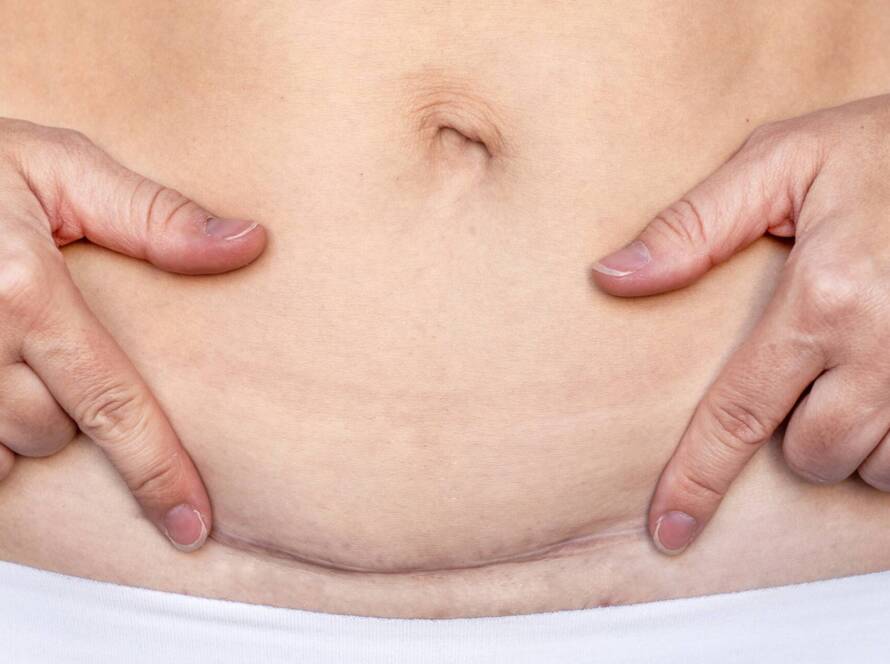
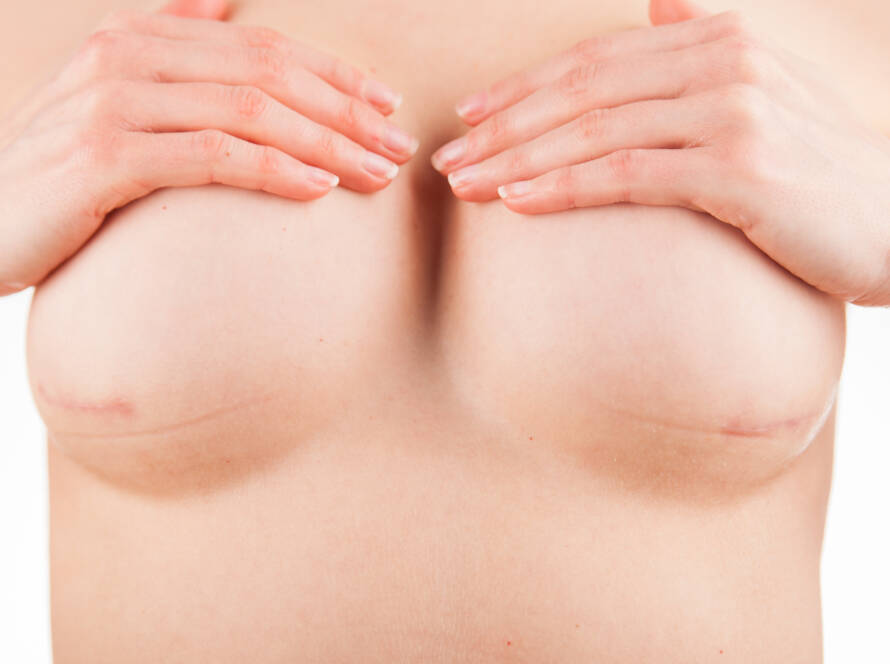
A scar can hold a story you are proud of, one you simply no longer want to notice first, or something in between. A thoughtfully performed scar camouflage tattoo NYC treatment does not erase that history. It uses custom-blended pigment and precise paramedical tattooing to reduce visual contrast, helping a healed scar recede into the surrounding skin rather than command attention.
The difference is in the details. Skin tone is never one flat color, scars do not behave like untouched skin, and a result that looks beautiful in a photo may require multiple careful decisions beneath the surface. For clients seeking a refined, natural-looking improvement, the process should begin with honest expectations and a highly individualized plan.
What Scar Camouflage Actually Does
Scar camouflage, also called skin-tone tattooing or paramedical tattooing, places pigment into a stable, fully healed scar to help it blend more closely with the surrounding skin. It is often considered for surgical scars, injury scars, tummy tuck scars, breast lift or augmentation scars, C-section scars, burns, and scars following body-contouring procedures.
The goal is not to make a scar disappear completely. Texture, indentation, raised tissue, and changes in the way skin reflects light may remain. What camouflage can often improve is the color difference that makes a scar immediately visible, especially when it appears lighter than the client’s natural skin tone.
This distinction matters. A well-executed treatment makes the area look softer and less conspicuous at a normal conversational distance. It is a restoration service rooted in artistry, but it is not a substitute for medical scar revision, laser treatment, or surgery when texture is the primary concern.
Is a Scar Camouflage Tattoo Right for You?
The best candidates have scars that are mature, stable, and fully healed. In many cases, that means waiting at least 12 months after surgery or injury. Some scars need longer, particularly if they are still pink, red, purple, itchy, thickening, or changing in shape. A qualified artist will assess the scar itself, the surrounding skin, your health history, and the result you hope to achieve before recommending treatment.
Flat, pale scars are frequently among the most responsive because custom pigment can reduce the contrast between scar tissue and healthy skin. Some scars with mild textural change can also benefit, although the expected outcome must be carefully discussed. A raised, deeply indented, actively red, or keloid-prone scar may not be appropriate for tattooing.
Skin tone and undertone also guide the plan. The right shade is rarely selected from a bottle. It is created through layering and adjustment, accounting for warmth, coolness, depth, tanning patterns, and the way healed pigment settles in your unique skin. This is why a generic beige or a one-session promise should be approached with caution.
When to Wait or Seek Medical Clearance
Scar camouflage should be postponed when the skin is not fully healed, sunburned, irritated, or actively inflamed. Pregnancy and breastfeeding, certain autoimmune conditions, blood-thinning medications, active skin infections, uncontrolled diabetes, and a history of problematic keloid scarring can require medical clearance or make treatment unsuitable.
If a scar is painful, expanding, unusually sensitive, or otherwise concerning, consult your physician or surgeon first. The most responsible aesthetic decision is sometimes to wait. Precision includes knowing when not to proceed.
The Consultation Sets the Standard
An excellent result begins well before pigment touches the skin. During a private consultation, the artist should examine the area in person, ask about the scar’s origin and age, discuss your medical history, and evaluate color under clear lighting. Photos can be useful, but they cannot replace seeing skin tone, texture, and scar behavior directly.
This is also the moment for straightforward conversation about limitations. If the scar has a pronounced indentation, camouflage may lessen its visibility without making it feel smooth. If the area tans deeply in summer, the artist may plan for a tone that works best with your usual, untanned complexion rather than chase a temporary shade. If your skin is highly reactive, a conservative approach may be preferred.
At Visage New York, this design-led assessment is central to paramedical tattooing. The objective is not an artificial cover-up. It is a custom, polished enhancement that respects your skin, your lifestyle, and the natural variation in your complexion.
What Happens During the Treatment
After the area is cleansed and the color strategy is confirmed, the artist deposits pigment with a specialized tattoo device using controlled, delicate passes. Depending on the location and sensitivity of the scar, clients may experience light scratching, vibration, or intermittent pressure. Comfort varies considerably by body area and individual sensitivity.
The first session is usually a foundation, not the final reveal. Fresh pigment can look more pronounced immediately after treatment, then soften as the skin heals. Scar tissue can retain pigment unpredictably, so an experienced artist works gradually rather than overworking the area in pursuit of instant coverage.
Most clients need at least two sessions. Additional refinement may be recommended when the scar is large, the surrounding skin contains multiple undertones, or healing reveals areas that need further blending. This layered process is a sign of thoughtful work, not a flaw in the service.
Healing and Aftercare Matter as Much as Technique
A beautifully matched pigment can only heal well when aftercare is followed carefully. Your artist will provide instructions tailored to the treatment area, but the principles are consistent: keep the area clean, avoid picking or friction, and protect the healing skin from excess moisture, heat, and sun exposure.
For the first phase of healing, avoid swimming, saunas, intense workouts that create heavy sweating, and direct sun on the treated area. Do not apply exfoliants, retinoids, fragranced products, or unapproved creams to the site. Light flaking or mild dryness can occur, and it is essential to let the skin shed naturally.
Sun protection remains particularly important after healing. UV exposure can darken healthy skin, change the contrast around the scar, and affect how balanced the camouflage appears over time. If the scar is on an area regularly exposed to the sun, consistent SPF is part of protecting your result.
How Long Does It Take to See the Final Color?
Initial healing may take roughly one to two weeks, but pigment needs more time to settle. A follow-up appointment is commonly scheduled after several weeks, once the skin has completed enough of its recovery to show how the color retained. Your final result develops through that full healing cycle, not on treatment day.
This is why patience is valuable. The most natural results are built with restraint, observation, and strategic refinement.
Choosing a Scar Camouflage Tattoo Artist in NYC
New York offers no shortage of tattoo and beauty services, but scar camouflage requires a different level of specialization. Look beyond a single before-and-after image. Ask whether the practitioner has paramedical training, experience working with scar tissue, clear sanitation protocols, and a portfolio that shows healed work across a range of skin tones.
A premium studio should make you feel cared for, not rushed. You should receive a thorough consultation, realistic guidance about candidacy, transparent discussion of the number of sessions that may be needed, and detailed aftercare. Cleanliness is non-negotiable: treatment should take place in a spotless, professional environment using appropriate single-use supplies and careful protocols.
It is also wise to be cautious of guarantees. No ethical artist can promise that every scar will accept pigment identically or that any scar will become invisible. What a skilled professional can offer is exacting color work, thoughtful technique, and a treatment plan based on what your skin can realistically achieve.
A scar does not have to define the way you feel when you look in the mirror, wear a swimsuit, or choose a sleeveless top. When the timing is right and the treatment is performed with care, scar camouflage can be a quiet, meaningful step toward feeling more at ease in your own skin.