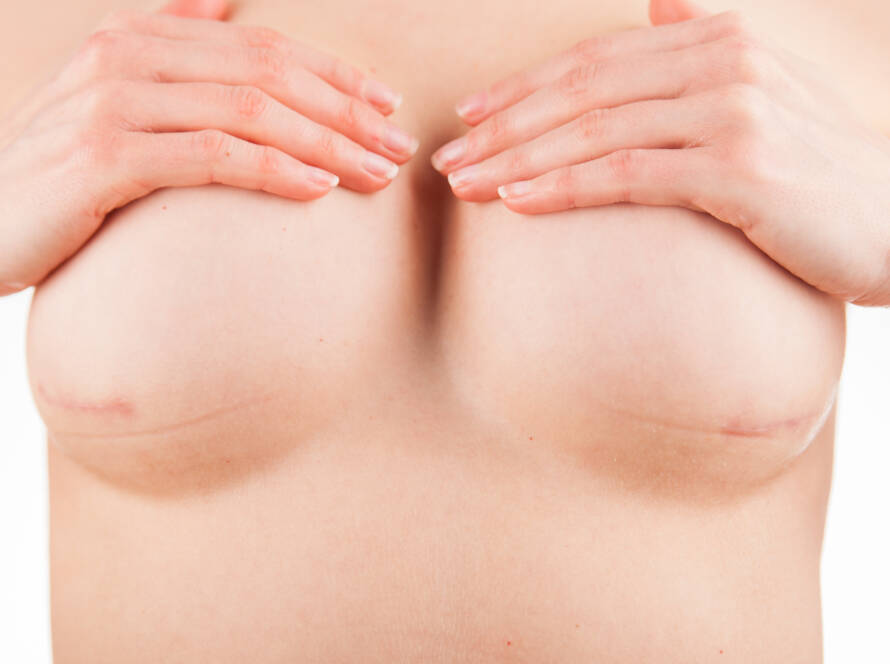
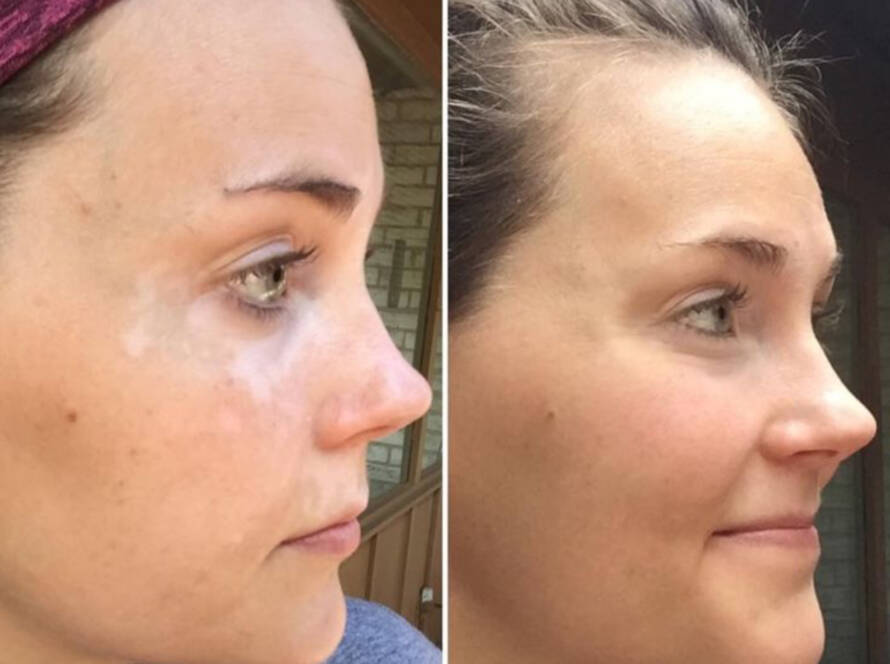
A scar can carry a story you are proud of, one you would simply prefer not to see first in the mirror, or something in between. This scar camouflage treatment review explains what a thoughtfully performed paramedical tattoo can and cannot do, from the first color-matching conversation through the gradual refinement of healed results. The goal is not to erase your history. It is to soften contrast, restore visual harmony, and help your skin feel less like the center of attention.
What Scar Camouflage Treatment Is Designed to Do
Scar camouflage is a specialized form of paramedical tattooing. Using carefully selected pigment, a certified artist deposits color into the scarred area to better blend it with the surrounding skin. When the scar is lighter than nearby skin, color correction can reduce the noticeable difference in tone. On some scars, customized shading may also create the appearance of a more even surface from a normal viewing distance.
The best results look quiet. Rather than drawing attention to a tattooed area, the treatment is designed to make the transition between scar tissue and healthy skin feel less obvious. This can be especially meaningful for surgical scars, injury scars, burn scars, and certain stretch marks that have healed into a lighter tone.
That distinction matters: camouflage changes color perception. It does not remove scar tissue, flatten a raised scar, restore missing skin texture, or guarantee that a scar disappears in every light. A precise artist will be direct about that before treatment begins.
Scar Camouflage Treatment Review: Who Is a Strong Candidate?
The right candidate is not defined by a single scar type. Healing quality, tissue condition, skin tone, scar age, and health history all influence whether camouflage is appropriate. In general, scars should be fully healed, stable, and no longer changing in color or texture. Many practitioners prefer a scar to be at least 12 months old, although your physician and artist may advise a longer timeline depending on the procedure, injury, or individual healing process.
A consultation should be detailed, not rushed. Your artist should assess whether the scar is flat or raised, pale or pigmented, smooth or fibrous, and how it responds to gentle observation. They should also ask about skin conditions, current medications, previous tattooing, allergies, pregnancy or nursing status, and any history of hypertrophic or keloid scarring.
Camouflage may not be suitable for active acne in the treatment area, open or irritated skin, unstable scars, active dermatologic conditions, or scars prone to keloid formation. It may also be better to postpone treatment if the surrounding skin is tanned. A tan can distort the true undertone needed for an accurate pigment match, and skin tone naturally shifts with sun exposure.
For many clients, the most reassuring part of the process is hearing an honest answer, even if that answer is to wait. A premium treatment plan protects your skin first and your result second.
The Consultation Is Where Natural Results Begin
No two complexions are identical, even within the same area of skin. The surrounding tone may include warm, cool, olive, golden, rosy, or neutral undertones, along with subtle variations caused by circulation, sun exposure, and natural pigmentation. This is why a one-color approach rarely creates a convincing result.
During a personalized consultation, the artist studies the skin around the scar and develops a pigment plan that accounts for how color is likely to heal. Freshly implanted pigment can appear more pronounced at first. As the skin recovers, the final result settles into a softer version of the chosen shade.
A patch test may be recommended in some cases. This small trial area offers useful information about retention, healing, and how the pigment integrates with your skin. It requires patience, but it can be a valuable part of an exacting treatment plan, particularly for larger scars or complex skin tones.
At Visage New York, this individualized design process is central to paramedical work. The treatment is approached with the same level of precision used for refined cosmetic tattooing, while respecting the unique behavior of scar tissue.
What Happens During the Appointment
Your appointment begins with a review of the agreed treatment area and pigment direction. The skin is cleansed carefully, and the artist works methodically with single-use, sterile supplies in a spotless studio environment. Depending on the size and complexity of the area, the session may range from a focused treatment to a longer appointment requiring breaks.
Most clients describe the sensation as manageable, though sensitivity varies by body area and by the nature of the scar. Scar tissue may have reduced sensation, heightened sensitivity, or an uneven response across the same area. Your artist should check in throughout the session and work at a pace that keeps you comfortable.
The artist builds color gradually rather than attempting to force a dramatic correction in one pass. This measured technique is intentional. Scar tissue does not always retain pigment in the same way as unscarred skin, and conservative layering supports a more natural-looking outcome.
Healing: The Part a Before-and-After Photo Cannot Show
Immediately after treatment, the area can look darker, warmer, or more visible than the eventual healed result. Mild redness, tenderness, and dryness are common. As the skin repairs itself, the pigment may appear to fade unevenly before settling. This temporary stage can test your patience, especially if you are expecting instant perfection.
Follow the aftercare instructions provided by your artist exactly. In most cases, that means keeping the area clean, avoiding picking or friction, and temporarily limiting activities that expose healing skin to excess moisture, heat, sweat, or direct sunlight. Your treatment provider will give guidance tailored to the body area and your skin’s needs.
Do not judge your final color too early. Healing is a process, and scar camouflage commonly requires more than one session to create the most balanced result possible. A follow-up session gives the artist an opportunity to evaluate pigment retention, make thoughtful adjustments, and add refinement where needed.
How Long Do Scar Camouflage Results Last?
Scar camouflage is considered long-lasting, but it is not static. Pigment can soften over time, and the appearance of your skin changes with age, sun exposure, hormones, skincare, and shifts in natural pigmentation. The scar itself may also continue to evolve subtly.
Maintenance needs vary. Some clients enjoy their results for years before considering a refresh, while others may need additional refinement sooner because of skin characteristics, lifestyle, or the treated location. Protecting the area from sun exposure after it has fully healed helps preserve the clarity of the color match.
It is also worth setting a realistic standard for visibility. In soft indoor lighting, a well-camouflaged scar may become far less noticeable. Under bright daylight, very close inspection, or when skin is stretched, texture can still be visible. A beautiful result is one that looks believable in real life, not one that promises to make skin behave as though it was never scarred.
Questions to Ask Before You Commit
Before choosing a provider, ask to see healed examples of work on scars similar to yours and on a range of skin tones. Fresh results can be impressive, but healed work reveals an artist’s understanding of pigment behavior, restraint, and color correction.
You should also ask about certifications, sanitation protocols, consultation requirements, patch testing, expected session planning, and aftercare support. The artist should welcome these questions. Paramedical tattooing sits at the intersection of technical skill and aesthetic judgment, and you deserve both.
Be cautious of anyone who promises complete scar removal, guarantees an exact outcome, or treats scar camouflage as interchangeable with a conventional body tattoo. The work demands a specialized approach, especially when matching nuanced skin tones and working with tissue that has healed differently from the surrounding area.
The most worthwhile scar camouflage treatment is not the one that makes the boldest promise. It is the one that gives you a considered plan, skilled hands, and the confidence to wear your skin with a little less second-guessing.