A beautiful brow result is not created by a single technique alone. It is created by matching the technique to your skin, lifestyle, natural brow pattern, and long-term expectations. So, is microblading safe for oily skin? For many clients, it can be performed safely by a properly trained, licensed professional in a clean studio. The more nuanced question is whether traditional microblading will heal and retain as beautifully on oily skin as another brow technique might.
Oily skin does not automatically disqualify you from cosmetic tattooing. It does, however, change the conversation. Natural oil production can affect pigment retention, the crispness of hair strokes, and how often a brow enhancement may need to be refreshed. A thoughtful consultation should put those details at the center of your treatment plan, rather than treating every complexion the same.
Is Microblading Safe for Oily Skin?
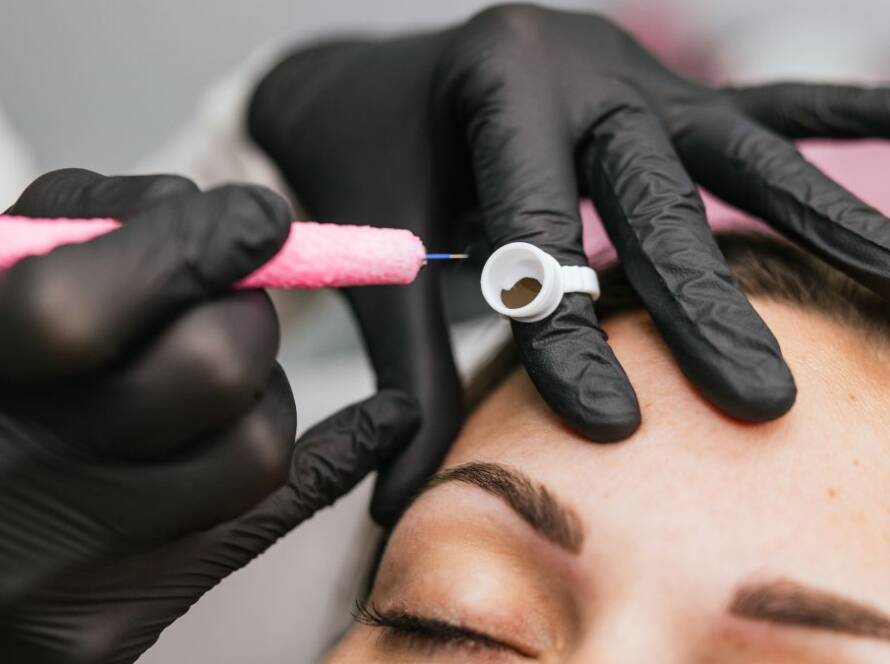
Safety and suitability are related, but they are not identical. Microblading is a manual technique in which fine incisions are made in the upper layers of the skin and pigment is deposited to create the appearance of individual brow hairs. When performed with sterile, single-use tools, high-quality pigments, proper skin preparation, and careful aftercare, it is generally considered a cosmetic procedure that can be safely performed on appropriate candidates.
For oily skin, the primary concern is usually not immediate safety. It is performance. Sebum, the skin’s natural oil, can make it harder for delicate strokes to stay sharply defined as they heal. A client may heal with softer, more diffused strokes than expected, particularly through the center and tails of the brows where oil production can be more active.
Every skin type can respond differently. Some clients with mildly oily skin heal beautifully with microblading, especially when they have healthy skin, balanced oil production, and realistic expectations about maintenance. Clients with very oily, large-pored, or highly textured skin may find that a different brow technique delivers a cleaner and more lasting result.
Why Oily Skin Can Change Microblading Results
Microblading creates fine, hair-like marks that depend on clear pigment placement and predictable healing. Oilier skin can be less predictable because the skin may push pigment out more readily during healing or allow strokes to soften over time. The finished effect may still be attractive and natural, but it may not have the ultra-crisp, feathered detail often seen in freshly healed results on drier skin.
There is also a maintenance consideration. Cosmetic tattooing fades gradually on all skin types, but oilier skin may metabolize pigment more quickly. That can mean earlier color refreshes or a gradual loss of definition between appointments. Sun exposure, exfoliating skincare, retinoids, acids, sweat, and frequent use of brow makeup can add to that fading.
This does not mean oily skin is difficult skin. It simply requires a more exacting approach. The goal is not to force a technique that looks best in a close-up photo on day one. The goal is to choose an enhancement that continues to look refined after the skin has healed and lived in it.
Skin texture matters as much as oil production
An experienced artist will assess more than shine in the T-zone. Visible pores, active breakouts near the brow area, previous cosmetic tattooing, scar tissue, sensitivity, and signs of irritation can all influence technique selection. Oily skin that is smooth and well cared for may be a stronger microblading candidate than skin that is oily, highly textured, and frequently inflamed.
Your artist should also look at your natural brow hair. A client with substantial brow hair may need only strategic density and shape refinement. Someone with sparse or uneven growth may benefit from a more dimensional method that creates soft fullness without relying solely on individual microbladed strokes.
When Another Brow Technique May Be Better
For many oily-skin clients, nano brows or ombré brows can offer a more reliable option. Nano brows create hair-like detail using a machine rather than a manual blade. Because the artist has greater control over depth, movement, and pigment placement, nano strokes may be a better choice for certain oily or textured skin types. They can still look delicate and natural when designed with restraint.
Ombré or powder brows use soft pixelated shading to create a polished, makeup-inspired effect that can range from barely there to more defined. On oily skin, this technique often heals with more consistency than fine manual strokes. It can be especially flattering for clients who fill in their brows daily, want a soft but structured shape, or prefer a result that looks balanced from a normal conversational distance.
A combination brow can also be appropriate. This approach pairs hair-like detail, often concentrated at the front of the brow, with gentle shading through the body and tail. It provides dimension while reducing the need for extensive microbladed strokes in areas where oil may cause premature blurring.
The best option depends on the look you want as well as your skin. A client seeking an airy, barely-there brow may prefer nano work. Someone who loves a polished brow pencil finish may feel most at home with a soft powder brow. There is no universally superior technique, only the technique that best honors your skin and aesthetic.
A Safe Microblading Experience Starts Before the Appointment
Your consultation is where safety becomes personal. Be open about your skincare routine, medications, allergies, past tattooing, and any history of sensitive or reactive skin. Certain medications, active skin conditions, pregnancy or nursing status, recent cosmetic procedures, and medical considerations may require postponing treatment or obtaining clearance from a qualified medical provider.
Do not arrive with irritated skin around the brows. Avoid using strong exfoliants, retinoids, or other potentially sensitizing products in the area according to your artist’s pre-care instructions. It is also wise to avoid tanning, sunburn, and aggressive facial treatments before your appointment. Healthy, calm skin gives the artist a better canvas and supports more predictable healing.
A reputable studio should use single-use needles or blades, appropriate protective barriers, sterile supplies, and pigments intended for cosmetic tattooing. The treatment area should be clean and professionally maintained, and your artist should explain the procedure, possible risks, healing expectations, and aftercare before beginning. Never feel rushed past questions about sanitation or your candidacy.
At Visage New York, the consultation is designed to be as considered as the artistry itself. A customized brow plan should account for facial balance, natural hair growth, skin behavior, and the result you will enjoy weeks and months after your appointment.
Aftercare Is Especially Important for Oily Skin
Aftercare does not turn oily skin into dry skin, but it helps protect fresh pigment while the brows are vulnerable. Your artist will provide specific instructions based on your technique and skin condition. Follow them precisely, even if you have had a tattoo or brow service elsewhere.
During healing, avoid touching the brows with unwashed hands and do not pick, scratch, or peel flaking skin. Skip swimming, steam rooms, intense workouts, and heavy sweating for the period your artist recommends. Keep makeup, facial oils, exfoliants, and active skincare away from the brow area until healing is complete.
Oily-skin clients sometimes feel tempted to cleanse more aggressively when the brows begin to feel shiny. Resist that instinct. Over-cleansing, rubbing, or applying products that were not recommended can interfere with the healing process. If you have questions about unusual redness, swelling, discomfort, or a possible allergic reaction, contact your provider promptly and seek medical care when appropriate.
Plan for the healed result, not the first-week result
Fresh brows often appear darker, warmer, and more defined than they will after healing. As the skin renews itself, color softens and the true result gradually emerges. A perfectionist approach means allowing that healing window before judging retention or deciding whether an adjustment is needed.
Most cosmetic brow services include a follow-up session at an appropriate interval, where the artist can assess how your particular skin accepted the pigment. For oily skin, that appointment is valuable. It allows the design and density to be refined based on your real healed response, not assumptions.
The Right Question to Bring to Your Consultation
Rather than asking only whether you can have microblading, ask what technique will give you the most elegant healed result for your skin. A skilled artist should be comfortable recommending against traditional microblading if nano brows, soft shading, or a combination approach will serve you better. That is not a compromise. It is personalization at its highest level.
Oily skin deserves brows designed for longevity, not a one-size-fits-all trend. With a careful assessment, elevated sanitation standards, honest expectations, and precise aftercare, you can choose a brow enhancement that feels natural, polished, and confidently your own.