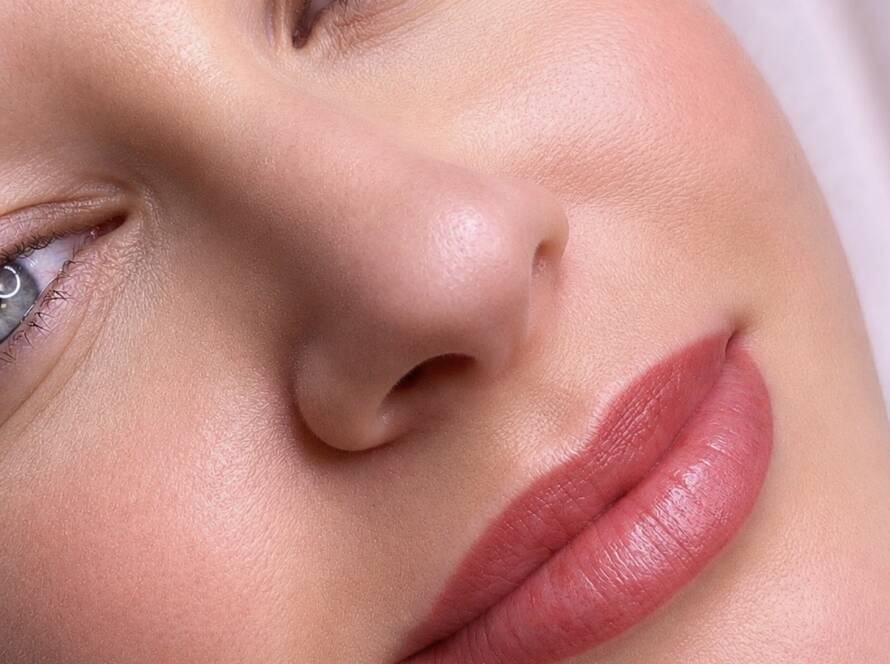
The mirror can be a little misleading during the first few days after a lip blush appointment. Your lips may look brighter, deeper in color, or slightly more defined than the soft finish you chose during your consultation. That shift is expected. The lip blush healing process is a gradual settling period in which the skin repairs itself and the implanted pigment reveals its true tone.
For a refined result, patience is part of the treatment. Proper aftercare protects the fresh work, supports even healing, and gives your artist the clearest possible canvas for any planned perfection session.
The Lip Blush Healing Process, Day by Day
Healing timelines vary with skin type, lifestyle, color selection, and how closely aftercare instructions are followed. Most visible surface healing occurs within about one week, but the color continues to mature beneath the skin for several more weeks.
The first 24 to 48 hours
Immediately after treatment, lips often appear more vibrant and slightly fuller than expected. Mild swelling, tenderness, warmth, and a tight feeling are common, particularly during the first evening. This should begin to ease quickly.
Your artist will provide specific instructions for cleansing and protecting the area. Follow them exactly rather than relying on general tattoo-care advice. Cosmetic lip tattooing requires a more tailored approach because the lips are delicate, mobile, and exposed to moisture throughout the day.
Keep the area clean, avoid touching it with unwashed hands, and use only the recommended aftercare product in the amount directed. Overapplying ointment can trap excess moisture and interfere with the healing environment. If you eat, gently cleanse according to your artist’s guidance rather than rubbing or scrubbing the lips.
Days 3 through 7: dryness and flaking
As the initial intensity softens, your lips may become dry, textured, or lightly flaky. This is often the phase clients find most tempting to interfere with. Do not pick, peel, bite, or exfoliate loose skin. Pulling at flakes can remove pigment unevenly and create patchy areas while the tissue is still repairing.
The color may appear to deepen before it starts to lighten. Both changes are normal. A fresh lip blush is not an instant preview of the healed shade because skin regeneration temporarily changes how pigment reflects through the surface.
Avoid lip makeup during this period unless your artist has cleared it. Lipsticks, glosses, balms, and applicators can introduce bacteria or irritate healing skin. It is also wise to avoid hot, spicy, salty, or acidic foods if they cause stinging or discomfort. Use a straw only if it is comfortable and does not create excess friction.
Weeks 2 through 4: the soft-color phase
Once visible flaking has resolved, lips can look unexpectedly light or uneven. Some clients worry that the color has disappeared. In many cases, it is simply passing through a temporary muted phase while the skin finishes rebuilding over the pigment.
Color then begins to return gradually, often softer and more translucent than it looked immediately after treatment. This is where thoughtful color selection matters. A beautifully healed lip blush should enhance your natural lip tone, restore balance, and create the appearance of gentle definition without looking heavy or artificially outlined.
Continue to protect your lips from direct sun exposure. Sunlight can alter the appearance and longevity of cosmetic pigment, especially while the area is newly healed. Once your artist approves your return to normal products, use a lip product with sun protection as part of your long-term maintenance routine.
Weeks 4 through 8: final settling
By this stage, the true healed result is easier to assess. The color should look more integrated with your natural lips, although full maturation can take several weeks. If your treatment plan includes a follow-up appointment, this is when your artist can evaluate retention, refine tone, and build color carefully where needed.
A touch-up is not a sign that anything went wrong. Lips are one of the more variable areas for pigment retention because of their unique tissue, natural moisture, circulation, and daily exposure to food, drinks, and skincare. A precise second session helps create a balanced, polished finish tailored to how your skin healed.
Lip Blush Aftercare That Protects Your Result
The best aftercare is disciplined rather than complicated. Follow your artist’s protocol for cleansing and moisture, then avoid activities that introduce heat, bacteria, friction, or excessive moisture while the surface is healing.
For the first several days, skip swimming pools, hot tubs, saunas, steam rooms, and intense workouts that cause heavy sweating. Avoid direct sun, tanning, facial treatments around the mouth, chemical exfoliants, and active skincare products such as retinoids near the treated area. Kissing can also create friction and introduce bacteria, so it is best to pause until the skin has fully closed and your artist advises that it is safe to resume.
Hydration supports comfort, but the goal is not to keep the lips constantly wet. Drink water normally and apply only the recommended aftercare product. Resist the urge to test new balms, plumping products, or overnight masks. Even a familiar product may contain fragrance, flavoring, or active ingredients that are not ideal for freshly treated lips.
If you are prone to cold sores, tell your artist during your consultation. Lip procedures can trigger an outbreak in susceptible clients, and a medical professional may recommend preventative antiviral medication. This should be discussed before your appointment, not after symptoms appear.
What Is Normal and What Deserves Attention
Mild swelling, sensitivity, dryness, flaking, temporary unevenness, and a color that looks too bold or too pale at different stages can all be part of normal healing. The key is that discomfort should steadily improve rather than intensify.
Contact your artist promptly if you have concerns about your healing, and seek medical care for symptoms such as worsening swelling after the first couple of days, spreading redness, significant heat, pus-like drainage, fever, severe pain, or signs of an allergic reaction. A reputable studio prioritizes careful screening, strict sanitation, and clear aftercare, but your health should always come first.
It is also worth remembering that not every uneven area needs immediate correction. Judging color too early can lead to unnecessary worry. Let the full healing window pass before deciding whether an adjustment is needed, unless your artist or a medical provider tells you otherwise.
Why Healed Lip Blush Looks Softer Than Fresh Lip Blush
Fresh pigment sits visibly close to the skin’s surface while the lips are mildly inflamed. As that inflammation resolves and new skin forms, the color diffuses into a softer veil. This is precisely why an experienced artist may design the initial shade with healing in mind rather than matching the exact depth you expect to see on day one.
Skin undertones matter as well. A color that looks rosy in a pigment cup may heal differently on cool, warm, neutral, or naturally pigmented lips. Previous lip tattooing, melanin rich lips, sun exposure, smoking, certain medications, and individual metabolism can all influence retention and final color. Personalized mapping and color correction are not decorative extras. They are part of achieving a natural-looking result.
At Visage New York, the goal is never a one-size-fits-all lip color. It is a carefully considered enhancement that respects your features, your skin, and the way your lips heal.
Give your lips the same consideration you gave the decision to enhance them: protect the healing process, follow your artist’s instructions, and allow the final color time to emerge with quiet confidence.