A beautifully balanced brow can change the way the entire face reads – softer, more lifted, more polished, even before makeup. But when clients compare nano brows vs microblading, the choice is rarely as simple as selecting the newest technique. Your skin, existing brow hair, lifestyle, desired finish, and long-term maintenance all matter.
Both services are forms of cosmetic tattooing designed to create the appearance of fuller, more defined brows. The difference lies in how the pigment is placed in the skin and how those fine, hairlike details tend to heal over time. The most flattering choice is the one that respects your features and works with your skin, not against it.
Nano Brows vs Microblading: The Essential Difference
Microblading is performed manually with a handheld tool made of tiny needles arranged in a blade-like formation. The artist creates delicate surface-level strokes that mimic natural brow hairs, then places pigment into those strokes. When performed with precision on suitable skin, microblading can produce a soft, feathery result.
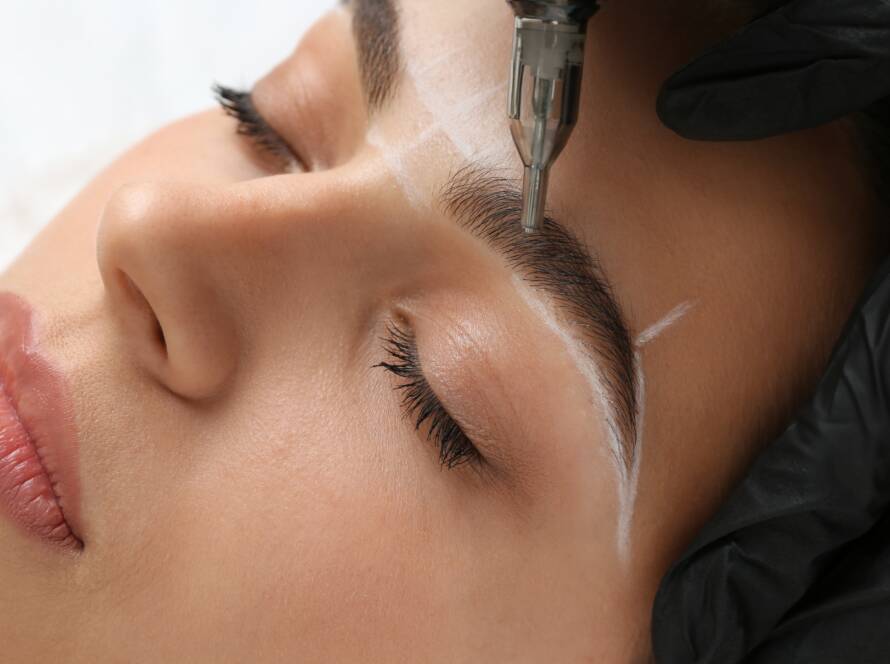
Nano brows use a digital cosmetic tattoo machine and an ultra-fine single needle to create hairlike strokes. Although the finished look can be similarly natural, the application method is different. The machine allows the artist to control depth, movement, and pigment placement with exceptional consistency, creating crisp detail without using a manual blade.
Neither technique is automatically better in every case. Nano brows are often favored for their versatility and refined healed appearance, particularly for clients who want realistic hairstrokes but have skin that may not retain traditional microblading as predictably. Microblading may still be an appropriate option for someone with balanced, healthy skin and a preference for a very soft manual-stroke effect.
How the Finished Results Differ
At first glance, both treatments can look remarkably alike. Immediately after an appointment, brows may appear more defined and deeper in color than the final healed result. Once the skin recovers, the goal is not an obvious tattooed brow. It is believable density, shape, and dimension that still feels like you.
Microblading creates strokes through a manual incision, which can give the result a delicate, textured quality. Those strokes need adequate space between them to heal cleanly. If too many strokes are placed too close together, or if the skin does not retain them well, the details can soften, blur, or merge as they heal.
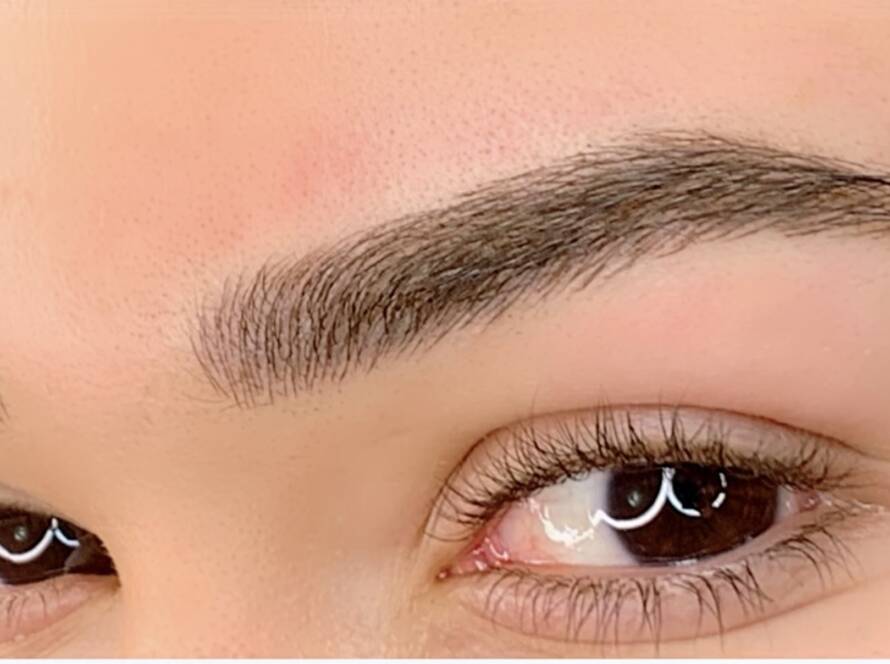
Nano brows can create very fine strokes with a controlled, airy pattern. A skilled artist can vary the stroke direction, length, and weight to complement natural growth patterns rather than impose a uniform brow shape. This is especially valuable when one brow sits higher, the hair density differs from side to side, or a client needs subtle correction rather than a dramatic redesign.
For clients who wear little makeup, both methods can be designed to look understated. For those accustomed to filling their brows every morning, nano brows can also be combined with gentle shading when appropriate, giving the brow more depth while preserving a natural hair-stroke effect through the front and body.
Skin Type Can Shape the Decision
Your skin is one of the most significant factors in choosing between nano brows and microblading. This is why an individualized consultation should come before a technique recommendation.
Microblading traditionally tends to heal most cleanly on normal to dry skin with smaller pores and minimal oil production through the brow area. On very oily skin, strokes can fade more quickly or heal softer than intended. Frequent exfoliation, active skincare routines, sun exposure, and certain medications can also influence pigment retention.
Nano brows are often a better consideration for clients with combination or oily skin because machine placement can be more controlled and gentle. That does not mean every oily-skinned client will retain crisp hairstrokes indefinitely. Skin still has its own behavior, and no ethical artist should promise an identical healed outcome on every person. Yet nano techniques may offer greater flexibility when adapting the treatment to skin texture and retention patterns.
Mature skin requires its own level of care. Very fine strokes may be possible, but the artist must assess elasticity, texture, and the integrity of the skin. In some cases, a soft powder or ombré brow may heal more elegantly than densely packed hairstrokes. The right answer is the design that ages gracefully, not simply the trend a client requested.
Comfort, Healing, and the Appointment Experience
Both treatments begin with a detailed design process. The artist studies facial balance, natural brow growth, bone structure, and the expression you want to preserve. Pre-draw is not a formality. It is the blueprint for a result that feels harmonious from every angle.
A topical numbing product is typically used throughout the service to support comfort. Sensation varies from person to person, but clients commonly describe light scratching, vibration, or pressure rather than significant discomfort. Your artist should work calmly, explain each stage, and prioritize a clean, private, carefully prepared treatment environment.
Healing is a process, not a verdict on the first day. In the initial week, the brows may appear darker, warmer, or more precise than expected. Light flaking can occur as the skin renews. Then comes the phase that surprises many first-time clients: the brows can appear lighter or temporarily patchy before color settles back into view.
Avoid picking, rubbing, soaking, excessive sweating, and direct sun exposure during the healing period. Follow the aftercare instructions specific to your treatment, because thoughtful aftercare protects the investment in your skin and supports the clearest possible healed result. A perfecting session is commonly needed after the initial appointment to refine retention, color, and small areas of asymmetry.
Longevity Is Not the Same as Permanence
Nano brows and microblading are both considered semi-permanent cosmetic tattoo treatments. They fade gradually, which is part of their appeal: brow color and shape can be adjusted over time as your skin, hair color, and style evolve.
How long the result remains visible depends on skin type, sun exposure, skincare ingredients, immune response, pigment choice, and aftercare. Clients with oily skin or frequent exposure to exfoliating acids and retinoids may notice faster fading. Those who regularly use sunscreen and follow a measured skincare routine may preserve their color longer.
It is also worth separating longevity from stroke clarity. A brow may still have visible pigment while individual hairstrokes have softened. This is one reason maintenance should be approached as a thoughtful assessment, not a rushed repeat of the original procedure. Sometimes a strategic nano-brow refresh is ideal; other times a softer, more diffused technique will create the most beautiful next chapter for the brow.
Choosing the Right Technique for Your Brow Goals
If you have relatively dry, even-textured skin and want a softly feathered finish, microblading may be a suitable choice. If you want exceptionally fine, controlled hairstrokes or have skin that may be less predictable for manual blading, nano brows may be the stronger option.
Your existing brow hair also matters. Someone with full brows may only need sparse areas enhanced, while someone with very little brow hair needs a complete structure that remains natural without relying on surrounding hairs. The artist should consider the density you have, the density you want, and what will look believable once the makeup is washed away.
The most refined results come from restraint. A brow that is too dark, too sharp, or too heavily saturated can overwhelm delicate features and limit future adjustments. An experienced cosmetic tattoo artist knows when to add definition and when to leave space, allowing the complexion and expression to remain the focus.
Questions to Ask at Your Consultation
Before choosing a brow service, ask how the artist evaluates skin type and whether they recommend nano brows, microblading, or a shaded technique for your specific skin. Review healed work, not only fresh appointments, and look for results that remain soft, balanced, and tailored to each client rather than repeated from one face to the next.
You should also discuss any prior brow tattoo, medical history, skincare actives, sensitivities, or aesthetic treatments. Previous pigment does not always prevent a new treatment, but it may affect what is possible. A careful consultation protects both the health of your skin and the integrity of the final design.
At Visage New York, brow artistry begins with that level of discernment: certified technique, meticulous sanitation, and a design chosen for the way you want to feel when you see yourself in the mirror. The best brow is not the one that announces itself. It is the one that gives your face quiet definition and lets your confidence take the lead.