Uneven microblading correction results are rarely solved by simply adding a few more strokes. When brows heal with different heights, patchy pigment, blurred lines, or a tone that no longer flatters the complexion, the most beautiful path forward begins with an honest assessment of the skin, the existing work, and the client’s desired level of change.
A correction can be remarkably transformative, but it is a precision service. The right plan may involve strategic refinement, a soft coverage technique, pigment lightening, or a period of fading before new artistry begins. Each choice affects how natural, balanced, and lasting the final brows can look.
Why Microblading Can Heal Unevenly
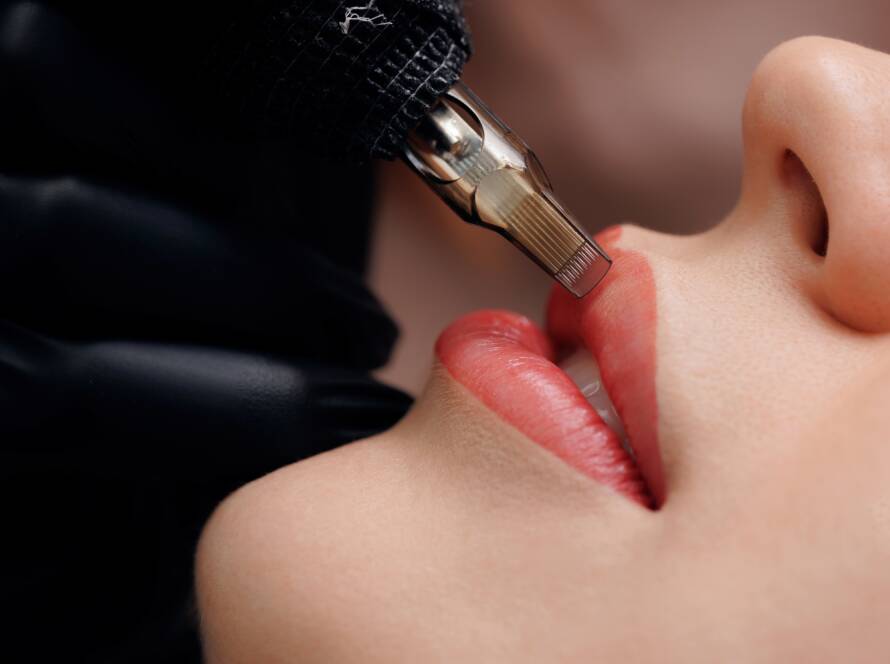
Microblading is performed manually, with fine incisions that place pigment into the skin. Although the goal is delicate, hair-like definition, healed results depend on far more than the initial shape. Skin type, prior tattooing, pigment selection, aftercare, sun exposure, medications, and the depth of each stroke can all influence retention and clarity.
One brow may retain more pigment than the other because the skin behaves differently from side to side. Natural facial asymmetry also matters. Most faces have one brow that sits slightly higher, one eyelid that is more hooded, or muscles that lift differently when a person speaks or smiles. A brow design that appears even while lying down may need thoughtful adjustment to look balanced in everyday expression.
Unevenness can also appear during the healing process without being permanent. Brows usually look darker immediately after treatment, then lighter or patchier as the skin exfoliates. Pigment may seem to disappear before returning gradually as the skin settles. This is why a judgment made too early can lead to unnecessary changes.
When to Evaluate Uneven Microblading Correction Results
Patience is part of a refined correction plan. In many cases, brows need approximately six to eight weeks to complete their initial healing cycle before their true color, shape, and retention can be assessed. Attempting to correct fresh work too soon can overwork the skin and compromise the eventual result.
That waiting period is not passive. It is a valuable time to observe how the pigment settles and whether the concern is structural or temporary. A few missing strokes may be appropriate for a touch-up. A substantial difference in color, shape, saturation, or placement may call for a more comprehensive approach.
Clients should seek a professional evaluation sooner if there are signs of infection, unusual swelling, significant discomfort, or an allergic response. Cosmetic tattoo healing should be guided by normal aftercare expectations, not ignored when something feels distinctly wrong.
What a Skilled Brow Correction Consultation Should Cover
A corrective consultation should feel calm, specific, and realistic. Rather than promising an instant fix, an experienced artist studies the existing pigment in natural light, examines the skin’s texture and condition, and considers the density and direction of natural brow hair.
The artist should also discuss the history of the previous treatment. Knowing when it was performed, whether there were multiple sessions, what healing was like, and whether removal has been attempted helps determine which technique is appropriate. Old pigment can shift warmer, cooler, or ashier over time, and that underlying color must be considered before a new shade is selected.
Facial mapping is especially meaningful in corrective work. The goal is not to force identical brows onto a naturally asymmetrical face. It is to create visual balance that looks graceful at rest and in motion. Sometimes that means adjusting a tail, softening an arch, or working with a client’s existing hair pattern instead of fighting it.
A thoughtful consultation also sets clear expectations. Correction can improve the appearance of uneven brows dramatically, but it may take more than one session. It may also require accepting a softer, more diffused finish rather than trying to create crisp new strokes over dark or saturated older pigment.
Correction Options Depend on the Existing Brows
There is no single correction method that suits every brow. The best choice depends on pigment depth, color, saturation, skin quality, and how much of the prior work remains visible.
Strategic Refinement for Minor Imbalances
If the prior work has faded well and the shape is fundamentally sound, strategic refinement may be enough. This can include carefully placed strokes to restore density, subtle pigment adjustments, or minor shape balancing. The result should look intentional rather than overfilled.
This approach works best when the skin is healthy and the previous pigment is light enough to support new detail. It is less suitable when old strokes have blurred together or when the brows are already too dark.
Nano Brows for Delicate, Hair-Like Detail
Machine-created nano brows can be an elegant option for certain correction cases. Because the technique uses a fine needle and controlled machine movement, it can create soft, hair-like detail while allowing an artist to work thoughtfully around existing pigment.
Nano brows are not automatically the answer to every uneven microblading result. On oily, scarred, or heavily tattooed skin, adding more hair strokes may create visual confusion rather than refinement. The existing canvas must be able to support the technique.
Soft Shading for Better Coverage
When prior strokes are blurred, inconsistent, or too widespread to disguise with individual hairs, a soft ombré or powder-brow approach may create a cleaner outcome. Rather than competing with the old pattern, carefully layered shading can unify the brow and restore a polished, makeup-soft definition.
This option can be particularly flattering for clients who already fill their brows with pencil or powder. The finish can remain airy and natural, with lighter fronts and a gentle gradient through the arch and tail. It does, however, trade the look of distinct hair strokes for more consistent overall coverage.
Pigment Lightening Before New Work
Sometimes the most artful decision is to pause. If the existing brows are too dark, deeply implanted, strongly discolored, or incorrectly placed, lightening or removal may be recommended before another cosmetic tattoo procedure.
This step requires patience, but it can protect the integrity of the skin and expand what is possible later. Covering dark pigment with more pigment does not erase what is underneath. In some cases, it simply creates a heavier, less predictable result. A qualified professional will explain whether correction now is realistic or whether fading first offers the more beautiful long-term route.
What Results Can Realistically Look Like
The strongest correction results look balanced, not stamped on. They may involve a subtle change that makes the face appear more rested, a more flattering tone that harmonizes with hair color and skin undertone, or a softened shape that no longer draws attention to itself.
Perfect symmetry is not a realistic or necessary standard. Brows are sisters, not duplicates, and a talented artist works to create harmony across the full face. The aim is refined proportion, clean color, and a finish that feels like an enhanced version of the client’s own features.
It is also normal for corrected brows to heal lighter and cooler than they appear on treatment day. Most cosmetic tattoo procedures require a perfecting session after initial healing, when retention can be evaluated and small adjustments can be made with greater accuracy. This staged process is a sign of careful artistry, not a shortcoming.
Protecting Your Corrected Brows During Healing
Aftercare has a direct effect on pigment retention and the clarity of healed work. Follow the artist’s instructions exactly, especially regarding cleansing, approved ointment use, makeup, exercise, swimming, heat exposure, and picking or scratching during flaking.
Avoid treating one brow differently from the other. Small habits, such as sleeping consistently on one side, applying active skincare products near the brow area, or exposing one side of the face to more sun, can contribute to uneven fading over time. Once fully healed, daily sun protection around the brow area helps preserve the color and softness of the result.
For clients seeking corrective artistry in a private, detail-focused setting, Visage New York approaches each brow as an individual design challenge. The process begins with the existing canvas, not a preset brow template, so every recommendation supports the health of the skin and the most natural-looking outcome available.
The next step does not have to be more pigment. It has to be the right plan: one that gives your skin time when it needs time, uses the technique your brows can truly support, and restores the quiet confidence that comes from looking in the mirror and feeling like yourself again.