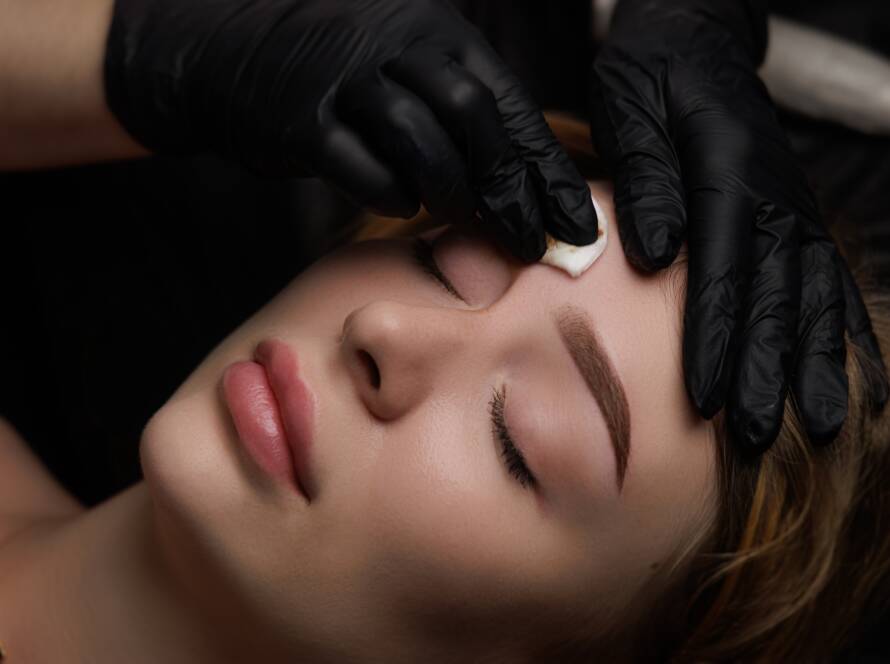
A beautifully shaped brow can make the face appear more balanced before you apply a single product. But when your natural brows are sparse, uneven, overplucked, or simply difficult to fill in consistently, choosing a permanent makeup technique can feel surprisingly high-stakes. In the nano brows vs microblading conversation, the right answer is not about following a trend. It is about selecting the technique that respects your skin, your lifestyle, and the level of softness or definition you want to see in the mirror.
Both treatments can create fuller, natural-looking brows. Yet they use different tools, deposit pigment differently, and can heal differently from one person to the next. A detailed consultation with a certified artist is where the distinction becomes personal.
Nano Brows vs Microblading: The Core Difference
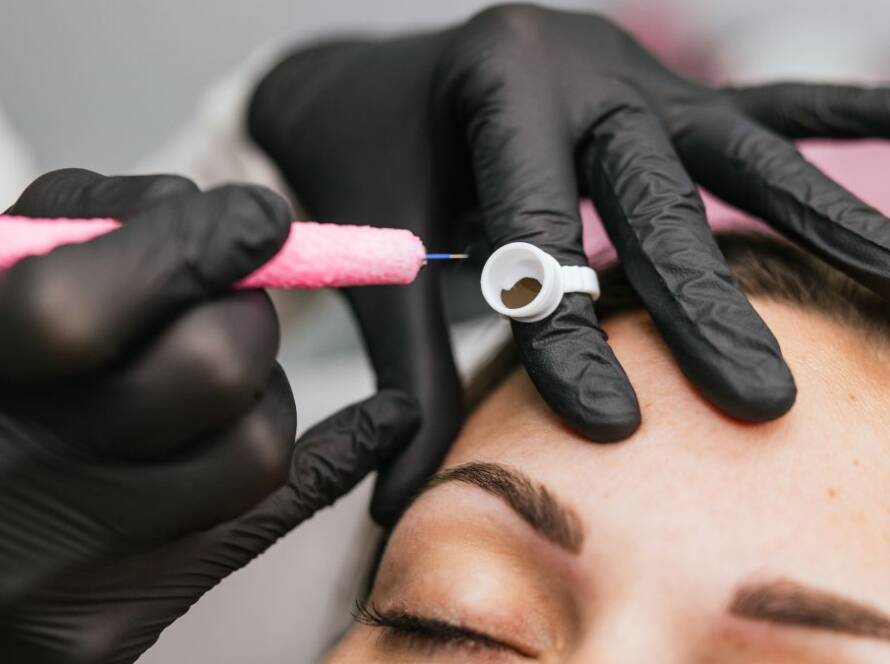
Microblading is a manual technique. The artist uses a handheld tool fitted with tiny needles arranged in a blade-like configuration to create fine, hair-inspired strokes in the skin. Pigment is placed along those strokes to mimic the appearance of natural brow hairs.
Nano brows are created with a cosmetic tattoo machine and an ultra-fine single needle. Rather than making a manual incision, the artist uses precise machine movement to implant pigment in delicate hair strokes. The finished effect can be exceptionally soft and realistic, but the technique offers more control over stroke depth, spacing, direction, and pigment placement.
To the eye, both can appear hairlike. The meaningful difference is beneath the surface: the way each technique interacts with the skin. That is why an artist should assess your skin quality, natural hair pattern, previous brow tattooing, and desired result before recommending either service.
Why Nano Brows Are Often the More Versatile Choice
Nano brows have become a preferred option for many clients because the machine-based technique can be adjusted with remarkable precision. An experienced artist can tailor the needle configuration, pigment saturation, and stroke pattern to create brows that feel individually designed rather than stamped on.
For someone with sparse areas near the front of the brow, nano strokes can create a delicate, airy effect. For a client who has uneven arches or gaps caused by years of tweezing, the design can restore balance while maintaining a believable hair pattern. The goal is never to replace your face with a new one. It is to refine what is already there.
Nano brows may also be a stronger choice for clients whose skin is oilier, more mature, thinner, or textured. This is not a universal rule, because skin response varies greatly. Still, the controlled implantation of a machine technique can be gentler and more predictable for skin types that may not retain crisp manual strokes as well.
The trade-off is that nano brows require advanced technical skill. Fine machine strokes must be placed with restraint, symmetry, and respect for the skin. When done well, they should not look harsh, overly dense, or like obvious tattoo lines.
What Microblading Does Beautifully
Microblading remains a beautiful option for the right candidate. On balanced, healthy, normal-to-dry skin, manual hair strokes can heal with a soft, feathered quality. Clients who have a good amount of natural brow hair but want to fill small gaps or improve the shape may appreciate the subtle enhancement microblading can provide.
The appeal is easy to understand. Microblading is associated with the classic illusion of individual brow hairs, and for the right skin type, it can deliver an effortlessly groomed result without a filled-in makeup look.
However, microblading is not automatically the best path to natural-looking brows. On very oily skin, strokes can soften, expand, or appear less distinct as they heal. Skin with significant sun damage, pronounced texture, or thinning may also be less suited to a manual-blade approach. A responsible artist will not force a technique simply because it is the one a client originally requested.
How Results Heal and Fade
Every cosmetic tattoo goes through a healing process, and the initial appearance is not the final result. Brows often look darker and more defined in the first days after treatment. As the skin heals, light flaking can occur and the color may seem to fade dramatically before it settles back into view.
Nano brows and microblading both require a touch-up appointment after the initial session. This allows the artist to evaluate pigment retention, make thoughtful refinements, and build the result gradually rather than overworking the skin in one visit.
Longevity depends on much more than the technique. Skin type, pigment selection, sun exposure, skincare ingredients, health factors, and aftercare all influence how the brows age. Generally, clients should expect maintenance over time rather than a permanent result that stays unchanged forever. Cosmetic tattooing is designed to fade softly so the shape and color can be refreshed as your features and preferences evolve.
Aftercare matters just as much as artistry. Following your artist’s instructions, avoiding picking or scratching, protecting the area from excess moisture during the advised period, and pausing certain active skincare products can support a more even heal. The most polished healed result comes from both careful treatment and patient aftercare.
Which Technique Is Better for Your Skin?
There is no single winner in the nano brows vs microblading decision. The better option is the one that has the best chance of healing beautifully on your skin.
Nano brows are frequently recommended for clients with oily or combination skin, mature skin, previous brow work requiring correction, or a desire for highly controlled detail. They can also be ideal for clients who want hair strokes but need a more customized strategy than a manual blade can offer.
Microblading may be appropriate for clients with normal-to-dry, healthy skin who want fine, minimal hairlike enhancement. It can be especially flattering when the natural brow already has a strong foundation and only needs strategic fullness.
In some cases, neither a pure nano-brow nor a pure microblading approach is the best fit. A soft shaded technique, or a combination of hair strokes and gentle density, may offer greater longevity and a more flattering healed appearance. This is particularly true for clients who regularly wear brow makeup or want a more defined result without a sharp, heavily powdered finish.
The Design Matters as Much as the Technique
Technique is only one part of an exceptional brow treatment. Shape, color, proportion, and placement determine whether the final result looks harmonious with your face.
A refined brow design considers your natural bone structure, facial balance, existing hair growth, skin tone, and hair color. It also accounts for how you prefer to present yourself daily. Someone who wears little makeup may want a lighter, more whisper-soft result than someone who enjoys polished eyeliner and a defined lip.
The strongest permanent makeup results do not chase identical brows. Natural brows are sisters, not twins, and facial asymmetry is normal. The artist’s role is to create visual balance while preserving softness and realism. An overly rigid template can look artificial, especially as the face moves and changes expression.
At Visage New York, the consultation process is designed to make room for those details. You should feel heard, informed, and comfortable asking why a specific technique is being recommended for you.
Questions to Ask Before Booking
Before committing to brow tattooing, ask who will perform your service, what training and certification they hold, and whether they have experience with your skin type and desired style. Review healed work, not only fresh treatment photos. Fresh brows can look striking immediately after an appointment, but healed results reveal an artist’s pigment knowledge, restraint, and technical consistency.
You should also discuss any previous brow tattooing, active skin conditions in the treatment area, medications, allergies, or health considerations that could affect candidacy or healing. A meticulous studio will prioritize sanitation, explain preparation and aftercare clearly, and set realistic expectations rather than guaranteeing an identical result for every client.
The most rewarding brow treatment is one that feels like you on your best day: balanced, polished, and easy to maintain. Choose the technique that gives your skin the greatest opportunity to heal gracefully, then let expert artistry create the quiet confidence that lasts long after your morning routine.