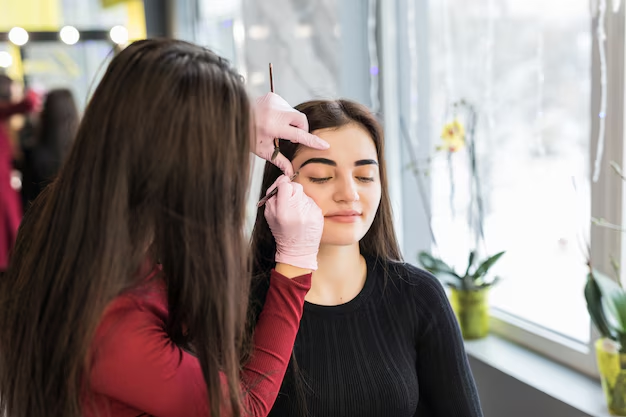
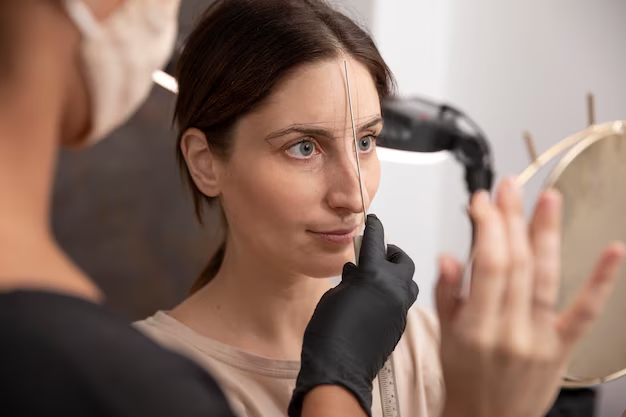
Around midday, you catch your reflection and notice your forehead has a shine. Your brows, once neat, now look a little soft around the edges. If that sounds familiar, you have probably wondered whether microblading for oily skin is even worth trying. The short version: it can work well, but oily skin plays by slightly different rules. Knowing those rules before you book is what separates crisp, lasting brows from a blurry disappointment.
Is Microblading Safe for Oily Skin?
Yes. Oily skin does not make the procedure unsafe. Safety comes down to the hygiene of the studio, the training of the artist and the condition of your skin on the day. What oil changes is not the safety, but the outcome: how the pigment sits, how the strokes heal, and how long they stay sharp. An experienced artist will look at your skin first and adjust the approach, depth, and pigment choice to suit it. If your skin has active breakouts, irritation, or an infection near the brows, the sensible move is to let it clear before booking.
How Oily Skin Can Affect Microblading Results
Skin that produces a lot of sebum behaves like a slightly slippery canvas. Oil is constantly moving to the surface, and that movement can interfere with a very delicate process. Oily skin brows tend to face a few hurdles that dry skin never meets, from blurred edges to faster fading. The good news is that these effects are predictable, which means they can be planned around.
Why Excess Oil Can Affect Pigment Retention
Pigment needs to settle into the upper layers of skin and stay there while the area heals. On oily skin, natural oil pushes outward during healing, and some of that pigment can be carried out with it. The result can be color that looks lighter than planned once the skin settles.
How Oil Can Affect Hair-Stroke Definition
Fine hair strokes are only a fraction of a millimeter wide. When oil spreads under the skin surface, the edges of those strokes can soften. You may notice that crisp lines turn slightly feathered, which is why some oily-skin clients feel their brows look less sharp than the photos they brought in.
Why Results May Look Different During Healing
- Patchy look: some strokes fade faster than their neighbors around week two
- Uneven color: shade may shift from warm to cool before it settles
- Faint spots: areas with more oil may need extra attention at the touch up
- Pleasant surprise: many of these gaps fill in once healing finishes
Can People With Oily Skin Get Microblading?
They can, and plenty of them do, with good results. The key is honesty about your skin type at the start. When your artist knows you are oily, they can choose pigment, pressure and stroke spacing accordingly. Where people run into trouble is booking with a general routine and no adjustment. A few things tend to help:
- Mild oiliness: usually a good candidate with minor tweaks
- Very oily skin with enlarged pores in the brow area: may need a different technique
- Combination skin: often handled by adjusting the approach to each zone of the brow
Microblading vs. Other Brow Techniques for Oily Skin
Not every technique treats oil the same way. Some are built on thin lines, others on soft shading, and that difference matters when your skin never quite stays dry. Here is how each option tends to play out.
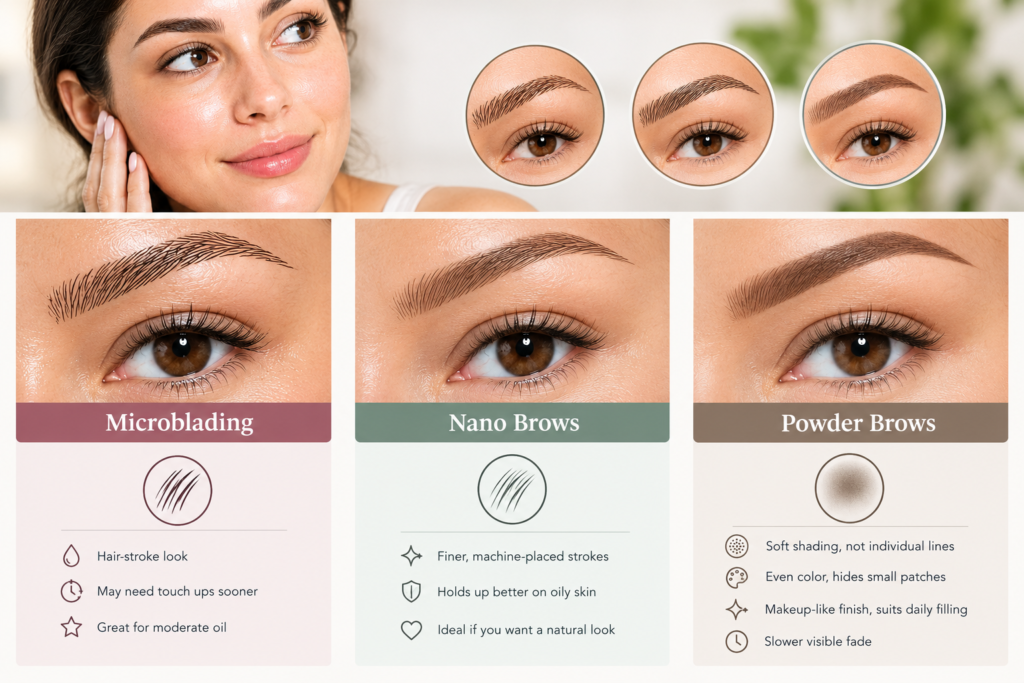
Microblading for Oily Skin
Microblading can still be a fit when oil is moderate. Strokes may soften sooner than they would on dry skin, so a first touch up is more likely to be needed. Clients who love the hair-stroke look and are willing to maintain it often stay happy with this route.
Nano Brows for Oily Skin
Nano brows use a finer, machine-placed stroke, which many artists prefer for oilier skin. If you want the full comparison between the two hair-stroke styles, see our guide on microblading vs nano brows.
Powder Brows for Oily Skin
- Soft shading instead of individual lines, so there is less to blur
- Even color that hides small patches
- Makeup-like finish that suits people who normally fill in their brows
- Slower visible fade since shading does not rely on crisp edges
What Brow Technique Is Best for Oily Skin?
If you want a quick answer, shading-based methods tend to be the most forgiving for oily skin, with nano brows close behind. Microblading is still possible, but it asks for more upkeep. That said, there is no single winner. The right pick depends on how oily your skin truly is, whether you have visible pores near the brows, and what look you want. Think of it as a spectrum, with soft and shaded on one end and sharp and strokey on the other. The more oil you have, the more your artist may nudge you toward the shaded end.
How to Prepare for Microblading With Oily Skin
Good preparation will not change your skin type, but it can make the day go smoother. The aim is calm, clean, unirritated skin on the day of your appointment.
Preparing Your Skin Before the Appointment
- Pause strong actives like retinol and exfoliating acids a week or so before, if your artist advises it
- Skip heavy oils and rich creams around the brows the day of
- Stay out of the sun so skin is not red or peeling
- Avoid waxing or tinting the brows right beforehand
What to Discuss During Your Consultation
Tell your artist how your skin behaves across the day, not just your skin type label. Mention how fast it gets shiny, whether makeup slides off your brows and what products you use. Also bring up past brow treatments, since earlier work can affect how pigment takes. These details help your artist choose pigment and technique that suit you.
Microblading Aftercare Tips for Oily Skin
Healing is where oily skin needs the most patience. Your skin will want to produce oil, and your job is to keep the area clean without irritating it. Follow your artist’s instructions first, and treat these ideas as a helpful layer on top.
Keeping the Brow Area Clean During Healing
Gentle cleaning is your friend. Use only what your artist recommends, and pat dry rather than rub. Too much washing can irritate the area and stimulate more oil, so lighter and more consistent usually works better than frequent scrubbing.
What to Avoid After Microblading
- Touching or picking at flaking skin
- Heavy balms and thick ointments unless instructed
- Sweat-heavy workouts in the first week or two
- Swimming pools and steam rooms during healing
- Makeup on the brow area until it has fully settled
Protecting Your Results After Healing
Once healing is done, sunscreen becomes your best habit. Sun fades pigment, and oily skin already pushes color out faster. A lightweight, non-greasy sunscreen applied to the brows daily goes a long way. Keep strong exfoliants and acids away from the brow area as well.
How Long Does Microblading Last on Oily Skin?
The name permanent eyebrows is a little misleading, because microblading is semi-permanent and fades over time. On oily skin, that fade comes sooner than most people expect. Where drier skin might hold strokes for up to two years, oily skin often needs a refresh closer to the one-year mark, sometimes sooner. This is an average, not a rule. Sun exposure, skincare, and how fast your skin renews itself all play a part. The first touch up, usually booked after the initial healing, is especially important because it fills any areas that lost color early.
How to Maintain Microbladed Brows on Oily Skin
Maintenance is less about effort and more about consistency. A handful of simple habits can stretch your results.
- Daily sunscreen on the brows
- Gentle cleansing without scrubbing the area
- Oil-control products applied away from the brow line
- Scheduled touch ups before fading becomes obvious
- Checking in with your artist if strokes look uneven
When Should You Consider Nano Brows or Powder Brows Instead?
Sometimes the honest answer is to switch methods. If your skin is very oily, if pores are large around the brows or if earlier results blurred quickly, a softer technique may serve you better. Powder brows suit people who like a makeup-style finish, while nano brows suit those who still want a hair-stroke look with finer lines. Neither is a failure of microblading. It is simply a better match for how your skin behaves.
How a Professional Consultation Helps You Choose the Right Brow Treatment
A photo cannot tell you how your skin will hold pigment. A consultation can. Your artist can see your skin texture, check pore size, test brow shape and talk through your daily routine. If you are comparing microblading NYC options, this first meeting is the best way to tell who truly understands oily skin. From there, you get a recommendation that fits your face instead of a general guess. At Visage New York Studio in Manhattan, that conversation comes first, so you leave knowing which technique makes sense and what upkeep to expect.
Book a Brow Consultation in NYC
Oily skin does not have to mean blurry brows. Let an artist read your skin first, then build a brow plan that actually stays put. Book your consultation and find the style that holds up on your skin, not just on a photo.