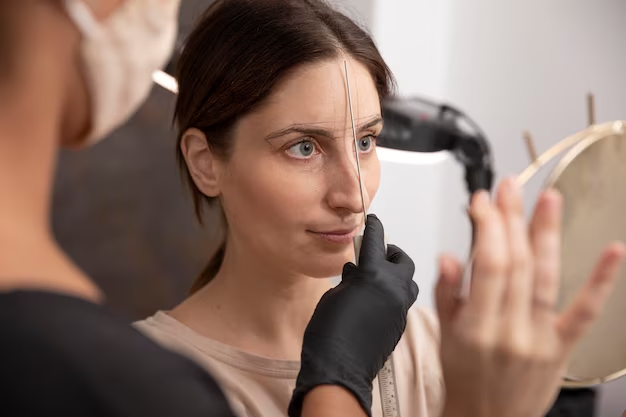
You spend an hour in the chair, walk out with brows you love, and then one question starts nagging: how long will this actually stay? It is the most common thing clients ask, and the honest answer is a range, not a number. If you have been wondering how long does microblading last, the short version is about one to two years for most people, sometimes a little less, sometimes a little more. What decides where you land has more to do with your skin and habits than with the treatment itself.
How Long Does Microblading Last?
Most people see their strokes stay clear for roughly 12 to 18 months before the color softens enough to need a refresh. Some enjoy up to two years, and a few hold color even longer. Others notice fading closer to the one-year mark. That wide spread is normal. Microblading sits in the upper layers of skin, and skin renews itself constantly, so the pigment is always on a slow journey outward. The treatment is semi-permanent by design, which also means you can change your brow shape as trends and tastes change.
What Happens to Microbladed Brows Over Time?
Brows go through distinct phases, and knowing them keeps you from panicking at the wrong moment. What you see on day one is not what you will see in week six, and neither matches what you will see in month fourteen.
The Initial Healing Stage
Right after the session, brows look bolder and darker than expected. Within a few days they start to flake, and the color can seem to disappear. This is the skin healing, not the pigment failing. Give it time and keep your hands off.
When Results Fully Develop
By week four to six, the true color settles in. Brows typically look softer and lighter than they did on day one, and the strokes finally read as hair. This is the moment to judge your results and decide whether anything needs adjusting.
How Microblading Gradually Fades
Fading is slow and gradual, not sudden. Strokes soften first at the edges, then lose some density, and the color may warm up slightly. You will not wake up one day with bare brows. Instead, the definition quietly drifts until it is time for a refresh.
What Affects Microblading Longevity?
Two people can sit in the same chair and leave with the same brows, then see completely different results a year later. That is because microblading longevity depends on a mix of things your artist controls and things you do. The sections below break down the main factors, one at a time.
Skin Type
Dry and normal skin tend to hold pigment for longer. Oily skin pushes color out faster, so strokes can soften earlier. We covered this in detail in our guide to microblading on oily skin.
Sun Exposure
Sun is pigment’s biggest enemy. Ultraviolet light breaks down color, and brows that see a lot of sunshine fade faster and can shift warmer in tone.
Skincare Products
- Retinol and acids speed up skin turnover and wear pigment away
- Strong exfoliants can lighten strokes if used near the brows
- Gentle products have little effect on results
Lifestyle and Sweating
Heavy sweating, frequent hot yoga, and long swims can all nudge color to fade sooner. If your routine involves a lot of sweat or chlorine, expect to refresh a bit earlier than someone with a calmer routine.
Pigment and Application Technique
A skilled artist places pigment at the right depth, which matters more than most people realize. Too shallow and the color vanishes early. Too deep and strokes can blur. Pigment quality and shade also play a part, since lighter tones usually fade faster than darker ones.
Does Microblading Last Longer on Certain Skin Types?
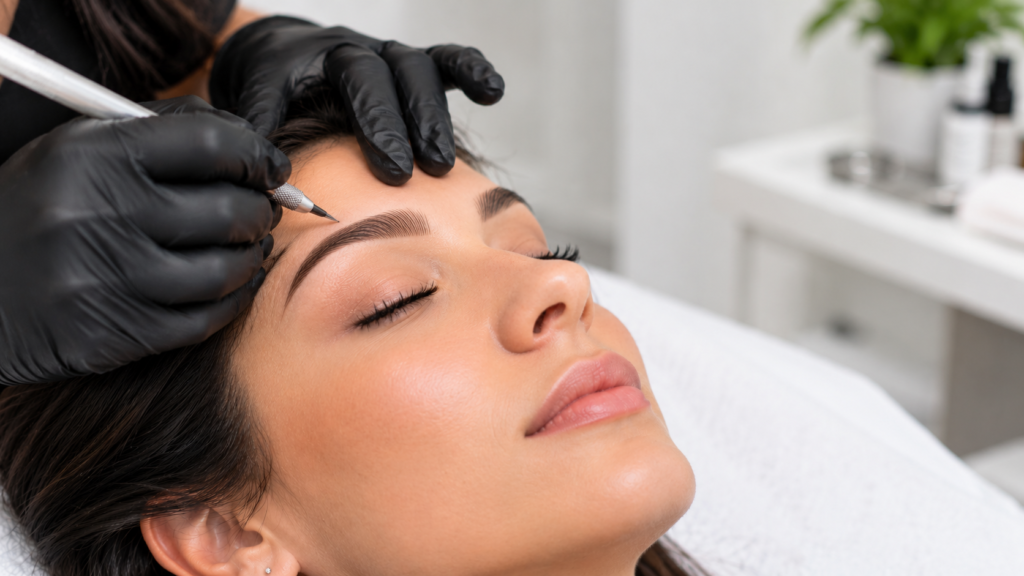
Yes, and this is where expectations can go wrong. A friend with dry skin might brag about two years of color, while your oily skin needs a refresh after one. Neither result means something went wrong. Skin type shapes how pigment sits and how quickly it leaves.
Microblading on Oily Skin
- Fades faster because oil pushes pigment outward
- Strokes can soften at the edges sooner
- Earlier refreshes are common, often near the one-year mark
Microblading on Dry Skin
- Holds strokes crisply for longer
- Heals evenly with predictable color
- Often reaches the longer end of the typical range
Microblading on Combination Skin
Combination skin is a mix, and so are the results. The oilier zones near the forehead and front of the brow may fade earlier than the drier tail. Artists often adjust their approach by area, and touch-ups can focus on the spots that need it most.
What Is a Microblading Touch Up?
A touch up is a short follow-up session that fills in areas where color healed lightly or unevenly. Almost everyone needs one after the first treatment, because skin heals unpredictably and some strokes never fully take. Think of it as the finishing pass that makes the first session look as good as it was meant to. Later on, a microblading touch-up also keeps color fresh before it fades too far.
When to Get Your First Touch Up
- Four to eight weeks after the initial session
- After full healing, so your artist sees the true result
- Before any gaps become obvious
How Often Maintenance Touch Ups Are Needed
Most people refresh their brows every 12 to 18 months. Some stretch it to two years with good sun care and a gentle routine. Others, especially those with oily skin, may go a little sooner. A simple rule: book a refresh when your brows look softer than you like, not once the strokes are nearly gone, since early maintenance is easier and cheaper than starting over.
How to Make Microblading Last Longer
You cannot stop skin from renewing, but you can slow the fade. Small habits, done consistently, make a real difference across a year.
Follow Proper Aftercare
The first few weeks set the tone for everything that follows. Keep brows clean, dry and untouched, and follow your artist’s instructions to the letter. Skipping steps here can cost you strokes later.
Protect Your Brows From the Sun
A daily sunscreen on the brow area is the single most effective habit. A hat helps on bright days, and it keeps color from turning warm or grey over time.
Limit Exfoliating Products
- Keep retinol and acids away from the brow line
- Skip scrubs in that area
- Apply products carefully so they do not drag across the brows
Maintain a Consistent Skincare Routine
A steady, gentle routine keeps skin calm and healthy. Dramatic changes, like switching to new strong actives, can speed up fading. Boring and consistent wins here.
When Is It Time to Refresh Microbladed Brows?
You will know before anyone tells you. Strokes start to look thin, the shape loses its edge, or you find yourself reaching for a pencil more often than you used to. Those are good signs it is time. Refreshing early keeps the original shape intact, while waiting too long can mean a fuller redo. Many people book their refresh around the 12 to 18 month mark and adjust from there based on how their own brows behave.
Microblading vs Nano Brows Which Lasts Longer?
Nano brows often last a bit longer, commonly around two to three years, because the finer needle places pigment very evenly. Microblading tends to fade sooner but gives a slightly bolder stroke that many people love. Neither is better in every case. If you want a deeper comparison of the two styles, see our guide on microblading vs nano brows. The right choice depends on your skin and how often you are happy to maintain the look, and the artists at Visage New York Studio in Manhattan can help you weigh that against the look you want.
Book a Microblading Consultation in NYC
Want brows that stay sharp long after the glow of day one? Let an artist look at your skin and map out a plan built for staying power. Book your consultation and get a clear answer on how long your results will last.