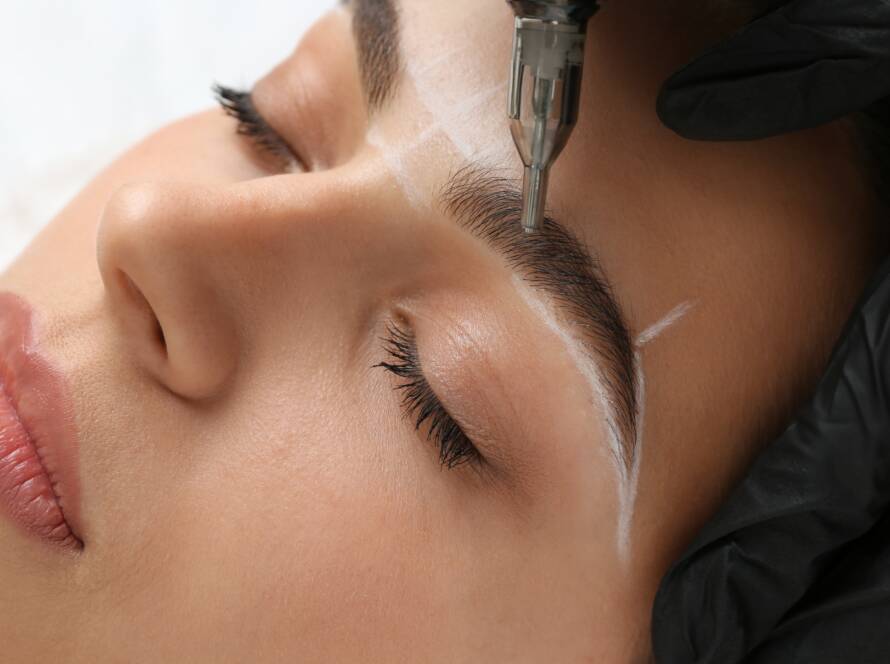
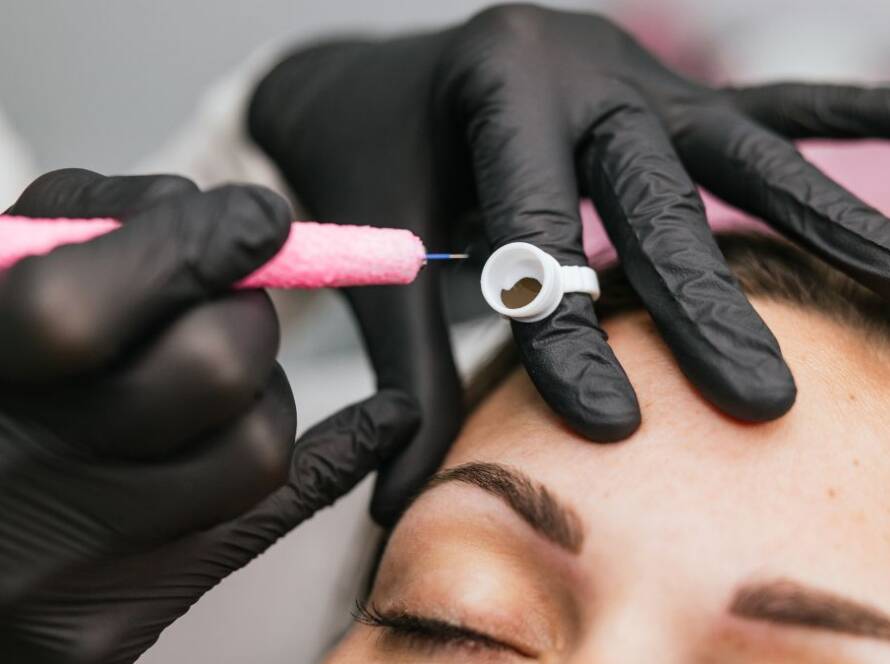
You looked in the mirror after healing and your brows seem more like distant cousins than sisters. One sits higher, one looks lighter, and a few strokes have gone missing. Take a breath, because uneven microblading correction is a common next step, and in most cases it is very doable.
First, Check What You Are Actually Seeing
Fresh microblading rarely looks right in the first weeks, so not every oddity is a mistake. Skin darkens, flakes, fades and then reveals its true color. This quick table helps you tell normal healing from something worth raising with your artist.
| What you notice | Early on | Once fully healed |
| Brows look very dark and bold | Common in the first days | Worth raising if still heavy |
| Flaking and patchy spots | Normal while skin renews | Needs a second look if gaps remain |
| One brow looks lighter | Often healing at different speeds | May need a color touch-up |
| Strokes look blurry or soft | Can settle as skin calms | Likely a shape or depth issue |
Why Brows Heal Unevenly
Every face is a little asymmetrical, and skin does not heal on a strict schedule, so uneven microblading is rarely about one single slip. More often a few small things add up. The usual causes are:
- Natural face asymmetry, such as one brow bone sitting higher than the other
- Skin that holds pigment differently on each side
- Strokes placed at slightly different depths, so one side fades faster
- Pigment that shifts warmer, cooler or ashier as it heals
- Aftercare slips like getting brows wet too soon, picking flakes or sun exposure
- An older brow tattoo underneath that mixes with the new color
The Timing Question
Patience is the hardest part and also the most useful. Brows need to finish healing before anyone can judge them fairly, and that usually takes around four to six weeks. Fixing them too soon means working on skin that is still changing, which can lead to more uneven results. Most artists book a touch-up at about six to eight weeks, and that visit often solves small differences on its own. If your brows healed long ago and still bother you, correction is still possible later. The skin just needs to be calm and healed before anything new goes in.
How the Fix Actually Works
The right repair depends on what went wrong, so a good artist studies your brows before touching them. A thoughtful microblading correction plan usually follows one of these routes:
- Filling in: new strokes go into thin or patchy areas so the density matches on both sides
- Reshaping: the arch, height or tail is adjusted to bring the brows into better balance
- Color adjusting: a corrective shade is used to cool down red tones or warm up gray ones
- Lightening first: in more stubborn cases, old pigment is faded before new strokes are added
Most people need one or two sessions, and your artist can tell you what to expect after a close look.
What to Avoid While You Wait
Resist the urge to fix things yourself. Heavy pencil can hide problems for a day but can also clog flaking skin, and strong acids or scrubs near the brows may fade pigment faster. Picking at flakes is tempting and almost always makes patchiness worse. Rushing to a different artist before the skin has healed is another common mistake, because they cannot see what the final result truly is. Keep your brows clean, protected from sun and left alone, then take photos in the same light each week so you can show your artist how they changed.
Choosing Who Corrects Your Brows
Correction takes a different eye from a first-time application, so look for an artist who has fixed work before and can show healed examples. A good one listens first, explains what caused the problem and tells you honestly whether one visit will be enough. Fixing another artist’s work is perfectly normal, and a skilled one will not criticize anyone, just show you a clear plan. Whatever route you take, microblading brow correction goes best when you feel heard and nobody rushes you.
Brows That Finally Match
Uneven results feel frustrating, but they are rarely the end of the story. If your brows are not quite sisters yet, the team at Visage New York Studio can assess them, explain what went wrong and map out a clear plan to fix it.
Frequently Asked Questions
What causes microblading to heal unevenly?
Skin type, face asymmetry, pigment depth, color changes and aftercare slips all play a part. Older brow tattoos underneath can also affect the result.
How do you fix uneven microblading?
An artist adds strokes, reshapes or adjusts the color in a follow-up session. Some cases need lightening first.
How long should I wait before correcting uneven microblading?
Wait until the brows are fully healed, usually four to six weeks. Most artists then book a touch-up around six to eight weeks.
How long does microblading take to fully heal?
The skin usually settles in four to six weeks, and the true color shows by the end. Everyone heals at their own pace.
Can uneven microblading be corrected after it heals?
Yes, correction is usually done once healing is complete. Older or darker work may need lightening before new strokes go in.